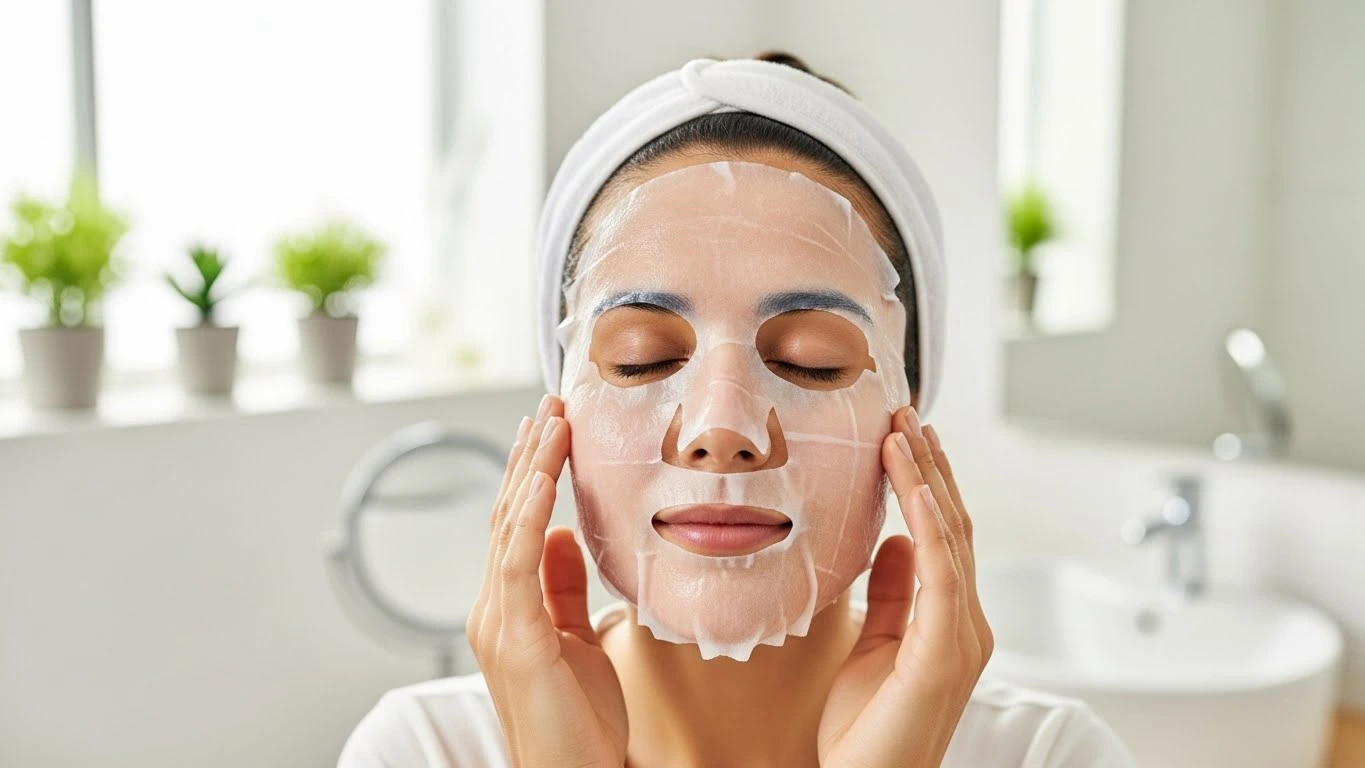
Does your skin feel tight, flaky, or painfully dry the moment winter arrives? If so, you’re not alone. Winter can be extremely harsh on your skin, especially your face. Cold temperatures, low humidity, and indoor heating work together to strip away your skin’s natural moisture. As a result, many people struggle with dry and chapped skin, redness, irritation, and discomfort throughout the colder months. Regular moisturizers often aren’t enough to fix these issues on their own. That’s exactly where face masks for dry and chapped skin come in. When used correctly, the best Winter Face Mask provide deep hydration, soothe irritation, and repair the damaged skin barrier. They work faster and more effectively than daily creams alone.
Whether you’re dealing with mild dryness or extremely flaky skin, adding the right face mask to your winter skincare routine for dry skin can completely transform how your skin looks and feels.
In this guide, you’ll discover:
- Why winter damages your skin
- Which ingredients truly work in cold weather
- The best winter face masks (including natural and homemade options)
By the end, you’ll know exactly how to treat dry skin in winter and keep your skin soft, healthy, and comfortable all season long.
What Causes Dry and Chapped Skin in Winter?
Before choosing the right products, it’s important to understand how to treat dry skin in winter by identifying what causes it in the first place. Winter dryness isn’t just about cold weather—it’s a combination of environmental and lifestyle factors.
Cold Weather and Low Humidity
Cold air naturally holds less moisture than hot air. During winter, this low humidity pulls moisture from your skin, leading to dehydration and flakiness. This is one of the main reasons winter dry skin care is different from summer skincare.
Common effects include:
- Rough or flaky skin
- Tightness after washing your face
- Dull and uneven skin tone
Using hydrating face masks for winter helps replenish lost moisture and keeps the skin plump and healthy.
Indoor Heating and Hot Showers
While heaters and hot showers feel comforting in winter, they can be damaging to your skin. Hot water and dry indoor air remove natural oils that protect your skin barrier.
This often leads to:
- Increased dryness
- Irritation and redness
- Worsening of existing skin conditions
Adding moisturizing face masks for cold weather to your routine can help counteract these effects and restore balance.
A Weakened Skin Barrier
Your skin barrier is responsible for locking in moisture and keeping irritants out. In winter, this barrier becomes compromised, making your skin more sensitive and prone to damage.
Signs of a damaged skin barrier include:
- Chapped or cracked skin
- Burning or stinging sensations
- Increased sensitivity to skincare products
This is why nourishing face masks for dry face and deep hydration face masks are especially important during harsh winter weather.
Benefits of Using Face Masks in Winter

Face masks are more than just a self-care treat—they are a powerful tool for preventing chapped skin in winter and maintaining healthy skin.
Deep Hydration and Long-Lasting Moisture
Unlike regular creams, face masks contain concentrated ingredients that penetrate deeper into the skin. Hydrating face masks help restore moisture levels and keep skin soft even in extremely cold conditions.
Benefits include:
- Intense hydration
- Reduced flakiness
- Improved skin texture
Skin Barrier Repair and Protection
Many best winter face masks for extremely dry skin contain ingredients like ceramides, shea butter, and hyaluronic acid. These ingredients help repair the skin barrier and protect it from further moisture loss.
This makes face masks an essential part of best skincare for winter.
Soothing Relief for Sensitive Winter Skin
Cold weather often triggers sensitivity, redness, and irritation. Soothing face masks for sensitive winter skin calm inflammation and provide instant comfort.
They are especially helpful if you:
- Have sensitive or reactive skin
- Use active ingredients like retinol
- Experience redness or itching in winter
Key Ingredients to Search For in Winter Face Masks
Not all face masks work well during winter. To effectively support winter skincare for dry skin, it’s important to look for ingredients that provide hydration, nourishment, and barrier repair. The right ingredients can make the difference between temporary relief and long-lasting skin comfort.
Hyaluronic Acid – For Deep Hydration
Hyaluronic acid is one of the most effective ingredients for hydrating face masks for winter. It attracts and holds moisture in the skin, helping to reduce dryness and tightness caused by cold weather.
Why it works well in winter:
- Provides deep, long-lasting hydration
- Plumps dry and flaky skin
- Suitable for sensitive and dry skin types
A hyaluronic acid face mask is ideal if your skin feels tight or dehydrated rather than oily.
Shea Butter and Natural Oils – For Nourishment
Shea butter and plant-based oils act as occlusives, meaning they help seal moisture into the skin. These ingredients are commonly found in moisturizing face masks for cold weather.
Key benefits include:
- Softens rough, chapped skin
- Strengthens the skin barrier
- Prevents moisture loss in harsh winter air
A shea butter face masks is particularly helpful for extremely dry or flaky skin.
Ceramides – For Skin Barrier Repair
Ceramides are vital lipids that assist repair the skin’s natural protective layer. During winter, ceramide-rich masks support chapped skin treatment and reduce sensitivity.
Why ceramides matter:
- Repair damaged skin barriers
- Improve moisture retention
- Reduce redness and irritation
They are ideal for anyone dealing with sensitive skin winter care.
Aloe Vera and Honey – For Soothing and Healing
Natural ingredients like aloe vera and honey are excellent for calming winter-stressed skin. These ingredients are commonly used in natural face masks for dry skin and DIY remedies.
Benefits:
- Aloe vera soothes irritation and redness
- Honey deeply hydrates and heals cracked skin
- Both support natural remedies for dry skin in winter
An aloe vera face mask or honey face mask for dry skin is perfect for sensitive or irritated skin.
Great Winter Face Masks For Dry & Chapped Skin
Selecting the right mask depends on your skin’s needs. Below are the most effective types of best face masks for winter skin, categorized for easy selection.
Best Hydrating Face Masks for Extremely Dry Skin
If your skin feels rough, flaky, or tight throughout the day, you need intense hydration. These deep hydration face masks deliver moisture where your skin needs it most.
Look for masks that:
- Contain hyaluronic acid or glycerin
- Are cream-based or gel-based
- Are designed for dry or dehydrated skin
These are often considered the best winter face mask for extremely dry skin.
Best Overnight Face Masks for Winter
Overnight masks work while you sleep, making them ideal for winter dry skin care. They lock in moisture and repair your skin barrier overnight.
Why overnight masks work well:
- Skin regenerates at night
- Longer contact time increases effectiveness
- Ideal for busy skincare routines
They are a powerful addition to a winter skincare routine for dry skin.
Best Natural and Homemade Face Masks for Winter
For those who prefer natural skincare, DIY masks can be surprisingly effective. The best homemade face masks for winter use simple, nourishing ingredients.
Popular options include:
- Honey face mask for dry skin – deep hydration and healing
- Oatmeal face mask for dry skin – calming and soothing
- Aloe vera face mask – reduces irritation and redness
These are great choices for a homemade face mask for dry chapped skin in winter.
Best Face Masks for Sensitive and Dry Skin
Sensitive skin needs extra care during winter. Look for soothing face masks for sensitive winter skin that are gentle and fragrance-free.
Ideal features include:
- Minimal ingredients
- No alcohol or artificial fragrance
- Added ceramides or aloe vera
These masks help reduce redness while keeping skin hydrated and comfortable.
How to Use Face Masks Effectively in Winter
Using the best face masks for winter skin correctly is just as important as choosing the right one. Proper application ensures your skin gets maximum hydration and protection during harsh winter months.
How Often Should You Use a Face Mask in Winter?
In winter, dry skin needs more consistent care. Most hydrating face masks for winter can be used more frequently than in warmer seasons.
General guidelines:
- Dry skin: 2–3 times per week
- Extremely dry or flaky skin: up to 4 times per week
- Sensitive skin: 1–2 times per week
Overusing masks can sometimes irritate the skin, so always pay attention to how your skin reacts.
Best Time to Apply Face Masks
Timing plays an important role in winter skincare for dry skin.
Best application times:
- Evening or night: Allows ingredients to work longer without environmental stress
- After cleansing: Clean skin absorbs ingredients more effectively
Overnight masks are especially helpful as part of a winter skincare routine for dry skin.
Common Mistakes to Avoid
To avoid worsening dryness, be mindful of these common mistakes:
- Using masks with alcohol or strong fragrances
- Applying masks to unclean skin
- Skipping moisturizer after removing the mask
- Over-exfoliating before masking
Avoiding these mistakes helps with preventing chapped skin in winter and keeps your skin balanced.
Additional Winter Skincare Tips for Dry Skin
Face masks work best when combined with smart daily habits. These skincare tips for harsh winter weather support long-term skin health.
Moisturize Immediately After Masking
After removing a mask, your skin is highly receptive to moisture. Applying a rich moisturizer helps seal in hydration.
Best practices:
- Use a cream-based moisturizer
- Apply while skin is still slightly damp
- Look for ceramides and natural oils
This step enhances the effects of moisturizing face masks for cold weather.
Use a Gentle Cleanser
Harsh cleansers can strip away natural oils, worsening dryness. Choose gentle, hydrating cleansers as part of winter dry skin care.
Look for cleansers that are:
- Sulfate-free
- Cream or milk-based
- Designed for dry or sensitive skin
Gentle cleansing supports the effectiveness of nourishing face masks for dry face.
Stay Hydrated and Improve Indoor Air Quality
External care isn’t enough on its own. Hydration starts from within.
Helpful habits include:
- Drinking enough water daily
- Using a humidifier indoors
- Avoiding overly hot showers
These habits complement natural remedies for dry skin in winter and reduce moisture loss.
Who Should Use Winter Face Masks?
Winter face masks aren’t just for people with severe dryness. They benefit many skin types affected by cold weather.
People with Dry or Dehydrated Skin
If your skin feels tight, flaky, or rough, hydrating face masks can restore moisture and comfort quickly.
Individuals Living in Cold or Dry Climates
Cold winds and low humidity increase moisture loss. Regular masking helps protect the skin barrier and maintain hydration.
Those Using Active Skincare Ingredients
If you use retinol, exfoliating acids, or acne treatments, your skin may be more sensitive in winter. Soothing face masks for sensitive winter skin help reduce irritation and dryness.
Final Thoughts – Choosing the Right Winter Face Mask
Winter can be challenging for your skin, but the right care makes all the difference. Adding face masks for dry and chapped skin to your routine is one of the most effective ways to restore hydration, comfort, and balance.
Whether you choose hydrating face masks for winter, nourishing overnight treatments, or DIY winter face masks, consistency is key. Focus on ingredients that support moisture retention, avoid harsh products, and follow a well-rounded winter skincare routine for dry skin.
By choosing the best face masks for winter skin and supporting them with smart skincare habits, you can enjoy soft, healthy, and comfortable skin all season long.
FAQS
The best winter face mask for extremely dry skin is one that provides deep hydration and repairs the skin barrier. Look for masks containing:
Hyaluronic acid
Shea butter
Ceramides
Natural oils
While daily masking can be tempting, it’s usually not necessary. For most people:
2–3 times per week is ideal
Extremely dry skin may tolerate more frequent use
Sensitive skin should mask less often
Balance is key to preventing chapped skin in winter.
Yes, best homemade face masks for winter can be very effective when made with the right ingredients. Popular choices include:
Honey face mask for dry skin
Oatmeal face mask for dry skin
Aloe vera face mask
These are excellent natural remedies for dry skin in winter, especially for sensitive skin.
A simple homemade face mask for dry chapped skin in winter can be made by mixing:
1 tablespoon honey
1 tablespoon aloe vera gel
Apply for 15–20 minutes, rinse with lukewarm water, and follow with moisturizer.
Yes. Soothing face masks for sensitive winter skin help calm irritation, reduce redness, and support skin barrier repair—especially during cold and windy weather.
