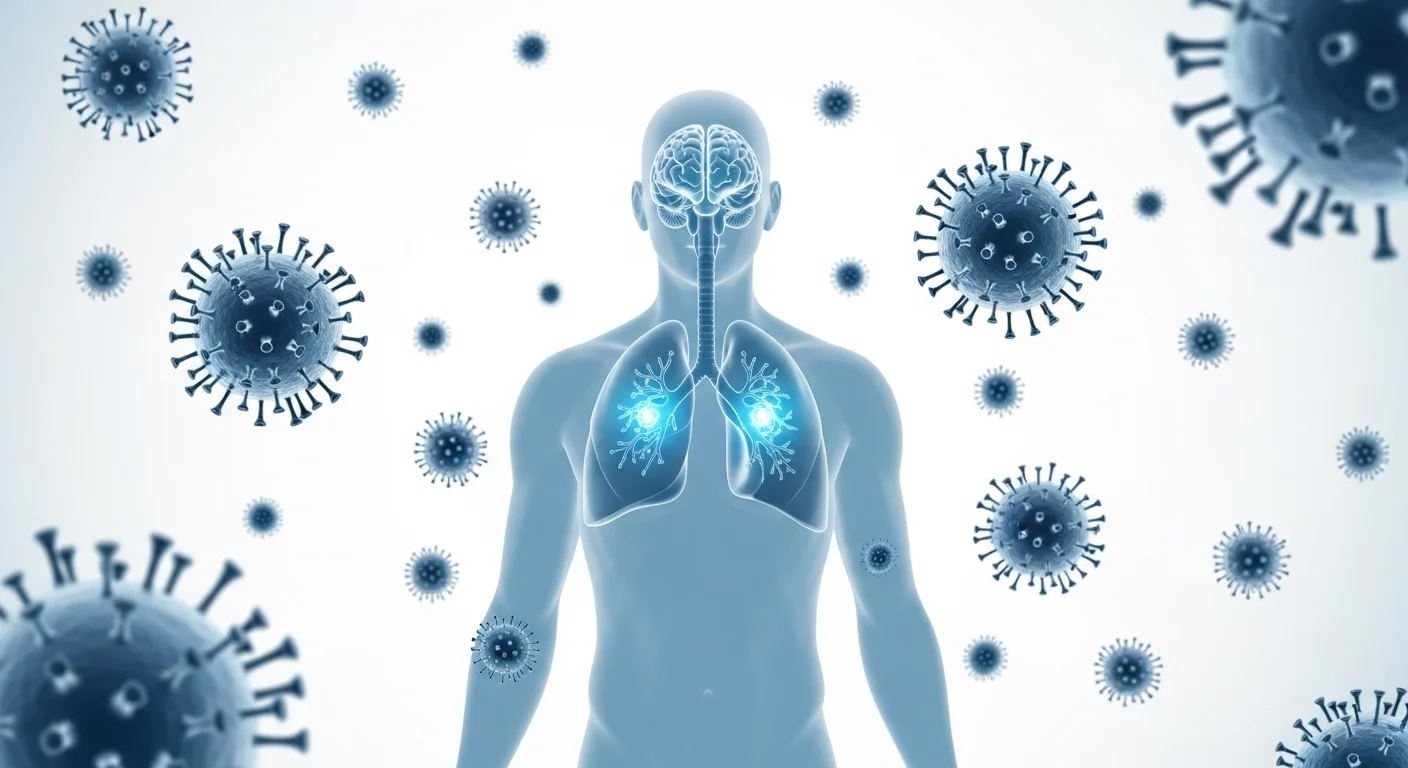
Nipah virus infection is a serious viral disease that can affect humans and animals. It is caused by the Nipah virus, which belongs to the Paramyxoviridae family and the Henipavirus group. This virus causes severe fever, brain infection, and breathing problems.
Nipah virus disease is considered a global health risk because it spreads from animals to humans and can additionally transmitted from person to person. Many outbreaks have been reported in Asian countries, and the Nipah virus fatality rate is very high compared to many other viral infections.
In this article, you will learn:
- What Nipah virus infection is
- How it spreads to humans
- Why it is dangerous
- Key facts about outbreaks and risks
What Is Nipah Virus Infection? (Overview & Background)
Nipah virus infection is a zoonotic viral disease, which means it spreads from animals to human beings. The virus mainly comes from fruit bats, which are the natural carriers of the Nipah virus.
Once the virus enters the human body, it can cause:
- High fever
- Headache
- Acute respiratory illness
- Brain inflammation (viral encephalitis)
In severe cases, Nipah virus in humans can lead to coma or death. Because of its danger, health authorities list it as an emerging infectious disease and a possible public health emergency.
Key facts about Nipah virus
- It was first found in 1999
- It can infect both animals and humans
- It has a high mortality rate
- There is no approved vaccine yet
Nipah Virus Infection – A Review
This section gives a short and clear review of Nipah virus infection.
- Cause: Nipah virus infection causes include contact with infected bats, animals, or people
- Virus type: Bat-borne virus from the Henipavirus group
- Main organs affected: Brain and lungs
- Disease type: Contagious viral infection
The Nipah virus incubation period (time between infection and symptoms) is usually 5 to 14 days, but it can be longer in some cases.
Because there is no specific Nipah virus treatment, doctors mainly give supportive care such as:
- Fever control
- Breathing support
- Care for brain swelling
This makes early detection and prevention very important.
How Did the Nipah Virus Infect Humans?
Many people ask: What causes Nipah virus infection?
The answer is simple: close contact with infected animals, food, or people infects humans.
The virus first spreads from animals to humans, and then it can spread between humans.
Animal-to-Human Transmission

Nipah virus transmission from animals happens mainly through:
- Fruit bats (Nipah virus carriers)
- Eating fruits contaminated by bats
- Drinking raw date palm sap
- Contact with infected pigs or animals
Fruit bats often carry the virus without getting sick. When they eat fruit or lick date palm sap, they can leave the virus behind. Humans become infected when they eat or drink these contaminated foods.
This is why people often link Nipah virus outbreaks in Asia to:
- Rural areas
- Farms
- Open food sources
Human-to-Human Transmission
Yes, Nipah virus is contagious.
Human-to-human transmission happens through:
- Close physical contact
- Contact with saliva, blood, or body fluids
- Caring for an infected person without protection
This type of spread has been seen in hospitals and families. Because of this, Nipah virus infection is difficult to control once an outbreak starts.
How Do Bats Get Infected With Nipah Virus?
Fruit bats are the natural home of the Nipah virus. This means the virus lives inside bats without making them sick. These bats are also called flying foxes.
Bats get infected because:
- The virus spreads easily among bats
- They live in large groups
- They share food and resting places
The Nipah virus stays in bat populations for a long time. This is why it is called a bat-borne virus and a zoonotic viral disease.
Role of Fruit Bats in Nipah Virus Spread
Fruit bats play the biggest role in spreading Nipah virus to humans.
Here is how it happens:
- Bats eat fruits and drop saliva on them
- They drink date palm sap and contaminate it
- Humans eat or drink these contaminated foods
This is one of the main Nipah virus infection causes.
Because bats travel long distances, the virus can spread to new areas.
This is why health experts closely watch bat populations as part of outbreak management and epidemic control.
Symptoms and Health Effects of Nipah Virus Infection
Nipah virus symptoms can be mild at first, but they can become very serious quickly. Some people get sick within days, while others may take longer due to the Nipah virus incubation period.
The virus mainly affects:
- The brain
- The lungs
This makes it a dangerous viral infection.
Early Symptoms of Nipah Virus Infection
Early symptoms often look like a common illness, such as the flu.
Common early signs include:
- Fever
- Headache
- Muscle pain
- Vomiting
- Sore throat
Because these symptoms are common, many people do not realize they have Nipah virus disease at first.
Severe Complications and Long-Term Effects
As the infection becomes worse, serious problems may appear.
These include:
- Brain inflammation infection (encephalitis caused by Nipah virus)
- Confusion or trouble thinking
- Seizures
- Trouble breathing (respiratory distress)
- Coma
In severe cases, the disease can result in loss of life. The Nipah virus mortality rate is very high compared to many other infections. Some survivors may have long-term brain problems.
How Serious Is the Nipah Virus Now?
Many people ask: How dangerous is Nipah virus?
The answer is: very dangerous.
Nipah virus is considered a global health risk because:
- It spreads quickly
- It has a high death rate
- There is no proven cure or vaccine
Because of these reasons, it is listed among the world’s most dangerous emerging infectious diseases.
Nipah Virus Mortality Rate and Risk Level
The Nipah virus fatality rate is usually between 40% and 75%, depending on the outbreak and medical care.
This means:
- Almost half of infected people may die
- Some outbreaks have even higher death rates
The Nipah virus case fatality makes it more deadly than many viral diseases.
Why Health Authorities Are Concerned
Health organizations are worried because:
- There is no Nipah virus vaccine
- There is no specific Nipah virus treatment
- Human-to-human transmission is possible
This makes Nipah virus a serious public health emergency threat if it spreads widely.
How to Test for Nipah Virus Infection
Early testing is very important because Nipah virus infection can become severe very quickly. Doctors usually test people who have symptoms and a history of contact with infected people, animals, or outbreak areas.
The goal of testing is early Nipah virus diagnosis so proper care and isolation can begin.
Laboratory Tests Used for Nipah Virus
There is no home test for Nipah virus. Testing is done in special laboratories.
Common tests include:
- RT-PCR test (detects the virus in blood or throat samples)
- Blood tests to find the virus
- Tests on fluid from the spine in severe brain cases
These tests confirm Nipah virus in humans and help control further spread.
When Should Testing Be Done?
Testing should be done if a person:
- Has fever with headache or confusion
- Has breathing problems
- Had contact with a Nipah virus patient
- Lives in or visited an outbreak area
Early testing helps reduce human-to-human transmission and supports virus spread prevention.
Is There a Nipah Virus in the US?
Many people ask: Is there a Nipah virus in the US?
At present, there are no active Nipah virus outbreaks in the United States.
However, health authorities in the US closely monitor the situation.
Nipah Virus Cases and Surveillance in the US
The US has:
- Strong disease monitoring systems
- Strict travel and health checks
- Emergency response plans
Any suspected case would be quickly isolated to prevent spread. This helps protect public health.
Risk of Nipah Virus Spreading to New Countries
Even though Nipah virus is mostly found in Asia, global travel increases risk.
Possible risk factors include:
- International travel
- Animal trade
- Climate changes affecting bat habitats
This is why Nipah virus is treated as a global health risk and part of infectious disease prevention planning.
Prevention and Safety Measures for Nipah Virus Infection
Because there is no cure, Nipah virus prevention is the best protection.
Simple actions can greatly lower risk.
How to Reduce the Risk of Infection
Follow these safety steps:
- Avoid eating fruits bitten by bats
- Do not drink raw date palm sap
- Wash fruits well before eating
- Avoid close contact with sick people
- Wear protective gear when caring for patients
These steps help in virus spread prevention.
Role of Governments and Health Systems
Governments help by:
- Tracking outbreaks
- Educating the public
- Training health workers
- Improving outbreak management
These actions reduce the chance of large epidemics.
Treatment and Current Research on Nipah Virus
There is currently no specific Nipah virus treatment.
Doctors provide supportive care, such as:
- Controlling fever
- Helping with breathing
- Treating brain swelling
Is There a Vaccine for Nipah Virus?
At this time:
- There is no approved Nipah virus vaccine
- Research is ongoing
- Scientists are testing new treatments
Until a vaccine is available, prevention and early diagnosis remain key.
FAQS
Nipah virus infection is a serious viral infection that spreads from animals to humans. It can cause fever, breathing problems, and brain infection. In severe cases, it can be deadly.
Nipah virus infection is caused by the Nipah virus, which mainly comes from fruit bats. Humans get infected by:
Eating contaminated fruits
Drinking raw date palm sap
Close contact with infected people or animals
Yes, Nipah virus is contagious. It can additionally transmitted from person to person through:
Close contact
Body fluids
Caring for sick patients without protection
Nipah virus is very dangerous. The Nipah virus fatality rate ranges from forty% to seventy five%.. It can cause:
Viral encephalitis
Respiratory failure
Death
No, Nipah virus can not be cured yet. there’s no specific Nipah virus treatment. Doctors give supportive care to manage symptoms.
