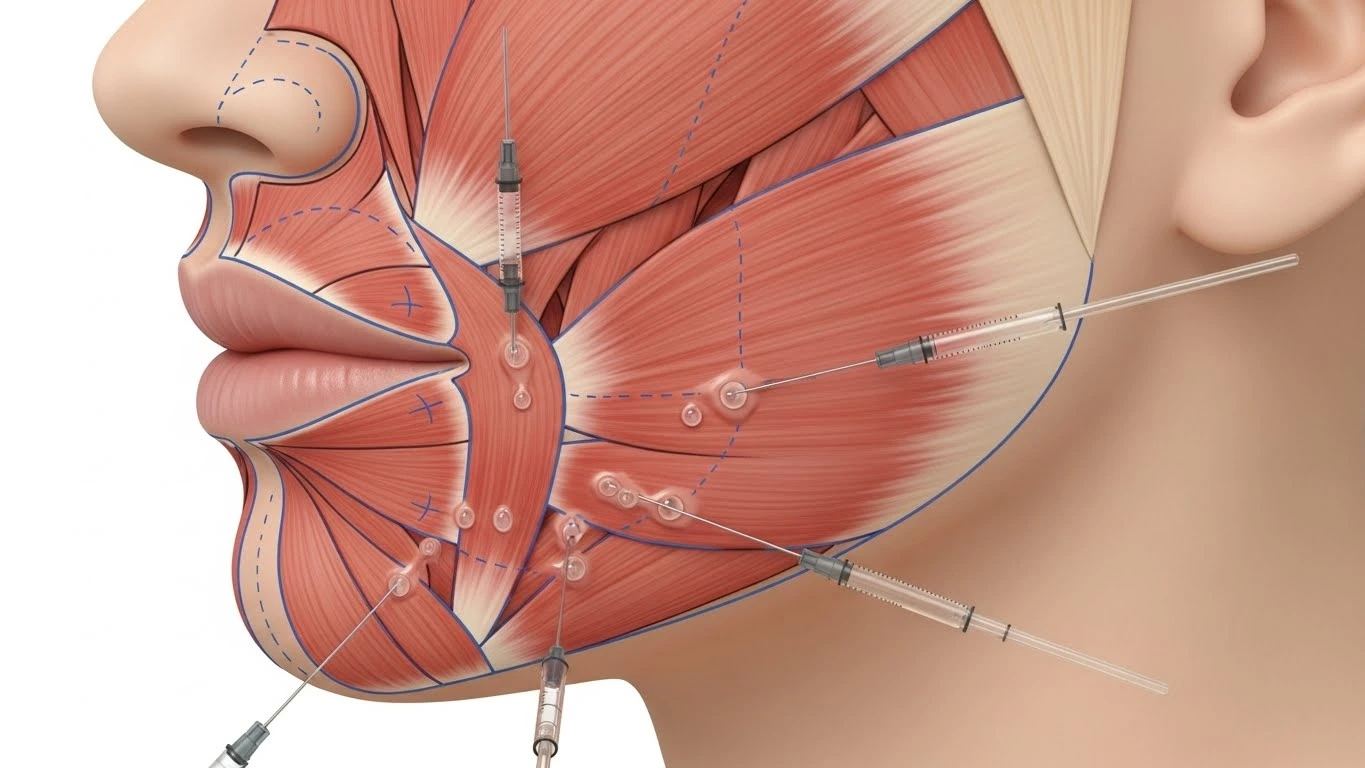
Masseter Muscle Botox may promise a slimmer jaw and relief from teeth grinding—but what many people don’t talk about are the side effects that can quietly affect your face, jaw, and daily comfort.
Masseter Muscle Botox has become increasingly popular among health enthusiasts and cosmetic patients alike. It is commonly used for jaw slimming, teeth grinding (bruxism), jaw clenching, and chronic jaw pain. However, while the benefits can be appealing, it is essential to understand the side effects of masseter botox before choosing this treatment.
Like any medical botox treatment, masseter muscle injections carry potential risks. Some effects are mild and temporary, while others may influence facial appearance or jaw function over time. Understanding what happens after masseter botox, how long recovery takes, and whether masseter botox is safe can help you make an informed decision.
What Is Masseter Muscle Botox?
Masseter Muscle Botox is a procedure where botulinum toxin is injected into the masseter muscles—strong muscles located at the back of the jaw. These muscles play a key function in chewing and jaw movement.
By relaxing the masseter muscle, Botox can reduce excessive muscle activity. This is why jaw botox is often used for both cosmetic and medical reasons.
Understanding the Masseter Muscle
The masseter muscle is one of the strongest muscles in the whole human body. It helps with:
- Chewing and biting
- Jaw clenching
- Stabilizing jaw movement
When this muscle becomes overactive, it can lead to issues such as jaw pain, facial widening, headaches, and teeth grinding. In such cases, a masseter muscle injection can help reduce muscle tension.
Why People Get Masseter Muscle Botox
People choose masseter botox for different reasons, including:
- Jaw slimming and facial contouring
Many people seek facial slimming botox to reduce a square or bulky jawline. - Teeth grinding and bruxism relief
Botox for bruxism helps relax the jaw and protect teeth from damage. - Jaw clenching and tension relief
Botox for jaw clenching can reduce pain and pressure caused by constant muscle tension. - TMJ-related discomfort
Some patients experience less jaw pain after botox treatment.
Although effective, these benefits should always be weighed against the risks of masseter botox treatment, especially when used repeatedly.
How Masseter Muscle Botox Works

Masseter Muscle Botox works by blocking nerve signals that cause the muscle to contract. As a result, the muscle relaxes and gradually reduces in size if overactivity is controlled.
This mechanism explains both the benefits and many jaw botox side effects.
The Botox Injection Process
A typical masseter botox procedure includes:
- Assessment of jaw muscle size and strength
- Precise injection into the masseter muscle on both sides
- Use of small needles with minimal discomfort
The procedure usually takes 10–15 minutes and does not require anesthesia. Mild botox injection side effects, such as swelling or tenderness, may occur.
How Long Does It Take to See Results?
After treatment, patients may notice changes gradually:
- 3–7 days: Muscle relaxation begins
- 2–4 weeks: Visible jaw slimming and symptom relief
- 3–6 months: Effects slowly wear off
During this period, some people experience masseter botox pain and discomfort, chewing weakness, or jaw fatigue. These reactions are usually temporary and part of normal masseter botox recovery time.
Understanding this timeline helps manage expectations and reduces anxiety about masseter botox before and after effects.
Common Side Effects of Masseter Muscle Botox
Most people tolerate Masseter Muscle Botox well, but mild side effects are fairly common. These reactions usually appear within the first few days after treatment and improve as the body adjusts.
Understanding these masseter muscle botox side effects can help you recognize what is normal and when to seek medical advice.
Jaw Weakness or Fatigue
One of the most reported jaw botox side effects is temporary jaw weakness. Since the masseter muscle is responsible for chewing, relaxing it can make the jaw feel tired.
Common experiences include:
- Difficulty chewing hard or chewy foods
- Jaw fatigue after meals
- Mild chewing weakness after botox
This side effect is usually short-term and improves as you adapt your chewing habits.
Swelling, Bruising, or Tenderness at the Injection Site
Mild swelling or bruising is a normal botox injection side effect, especially in the first 24–72 hours.
You may notice:
- Slight puffiness near the jaw
- Small bruises at injection points
- Mild jaw pain after botox
These symptoms typically resolve on their own and are part of normal masseter botox recovery time.
Mild Facial Asymmetry
Temporary facial imbalance can occur if one side of the masseter muscle responds more strongly than the other.
This may lead to:
- Uneven jaw appearance
- Slight facial asymmetry botox effects
- Differences in chewing strength
In most cases, this corrects itself as the Botox settles. Choosing an skilled injector greatly reduces this danger.
Headaches or Jaw Discomfort
Some patients experience mild headaches or soreness after treatment. This may happen as surrounding muscles adjust to the relaxed masseter.
This type of discomfort is generally mild and improves within a few days.
Less Common but Serious Side Effects of Masseter Muscle Botox
Although rare, some masseter botox complications can affect jaw function or facial appearance more noticeably. These effects are more likely when incorrect dosage or poor injection technique is used.
Understanding these risks is important when evaluating is masseter botox safe for you.
Difficulty Chewing or Speaking
In some cases, over-relaxation of the masseter muscle can lead to:
- Trouble chewing normal foods
- Changes in speech clarity
- Prolonged chewing weakness after botox
This side effect may last several weeks and can interfere with daily activities. It highlights the importance of conservative dosing.
Changes in Facial Shape
While jaw slimming is often the goal, excessive muscle relaxation can lead to unwanted facial changes after masseter botox, such as:
- Sunken or hollow cheeks
- Premature aging appearance
- Loss of natural jaw definition
These effects are especially relevant for those seeking masseter botox for jaw slimming side effects information before treatment.
Increased Jaw Pain or Muscle Imbalance
Ironically, some people may experience increased discomfort instead of relief. This happens when other facial muscles compensate for the weakened masseter.
Possible symptoms include:
- Jaw pain after botox
- Tightness in nearby muscles
- Headaches related to muscle imbalance
This reinforces the need to carefully weigh the risks of masseter botox treatment against the benefits.
Long-Term Side Effects of Repeated Masseter Muscle Botox
While Masseter Muscle Botox is often considered safe when used appropriately, repeated treatments over time may lead to long term effects of masseter botox. These effects are especially important for people who receive jaw botox regularly for cosmetic or medical reasons.
Understanding the long term side effects of jaw botox can help you decide how frequently the treatment should be used.
Muscle Atrophy Over Time
One of the most discussed concerns is muscle atrophy from botox. When the masseter muscle is repeatedly relaxed, it may shrink due to lack of use.
Possible consequences include:
- Permanent reduction in muscle size
- Changes in chewing strength
- Difficulty returning to normal muscle function after stopping treatment
While some degree of muscle recovery is possible, prolonged use increases the risk of lasting changes.
Facial Changes and Jaw Structure Concerns
Over time, muscle shrinkage may affect overall facial balance. Some patients notice gradual facial changes after masseter botox, such as:
- Narrower or sunken lower face
- Increased sagging in the cheek area
- Altered jawline definition
These masseter botox side effects for face shape are more likely when high doses are used repeatedly.
Possible Impact on Bone and Jaw Health
Emerging research suggests that reduced muscle activity may influence jaw bone density. Since muscles help maintain bone strength, long-term relaxation of the masseter could potentially:
- Reduce stimulation of jaw bone
- Affect long-term jaw stability
While more studies are needed, this is an important factor when assessing masseter botox risks and benefits.
Who Should Avoid Masseter Muscle Botox?
Masseter Muscle Botox is not suitable for everyone. Certain individuals may face higher risks of complications and should approach treatment with caution.
Knowing who should avoid treatment is essential when asking is masseter botox dangerous for specific health conditions.
Medical Conditions That Require Caution
You need to consult a healthcare expert if you have:
- Neuromuscular disorders
- Active infections near the injection site
- Difficulty swallowing or speaking
- Allergies to botulinum toxin ingredients
These conditions may increase the risk of botox complications and worsen jaw botox side effects.
Pregnancy, Breastfeeding, and Special Cases
Masseter botox is generally not recommended for:
- Pregnant individuals
- Breastfeeding individuals
- People with severe facial muscle weakness
Although serious complications are rare, safety data in these groups is limited.
Importance of a Professional Consultation
A qualified medical professional will:
- Review your medical history
- Evaluate jaw muscle function
- Determine appropriate dosage
This step significantly reduces cosmetic botox risks and ensures safer medical botox treatment outcomes.
How to Reduce the Risk of Side Effects
While masseter muscle botox side effects are possible, many risks can be minimized with proper planning, professional care, and good aftercare. Taking the right steps before and after treatment plays a major role in safety and results.
Choose a Qualified and Experienced Injector
One of the most effective ways to reduce masseter botox complications is selecting a skilled professional.
Look for someone who:
- Is licensed and medically trained
- Has experience with facial anatomy
- Regularly performs masseter muscle injections
An experienced injector knows how to balance effectiveness while minimizing facial asymmetry botox risks and chewing weakness.
Follow Proper Aftercare Guidelines
After treatment, proper care can help shorten masseter botox recovery time and reduce discomfort.
Recommended aftercare includes:
- Avoid heavy chewing for the first 24 hours
- Do not massage or press the jaw area
- Avoid strenuous exercise for 24 hours
- Stay upright for several hours after injections
Following these steps can reduce jaw pain after botox and swelling.
Use Conservative and Personalized Dosages
Higher doses increase the risk of:
- Chewing weakness after botox
- Unwanted facial changes
- Long-term muscle atrophy
A personalized approach helps balance results while lowering risks of masseter botox treatment.
Is Masseter Muscle Botox Safe?
A common question among health enthusiasts is: is masseter botox safe? The short answer is yes—for most people—when administered properly.
However, safety depends on proper technique, dosage, and patient selection.
FDA Approval and Medical Use
Botulinum toxin is FDA-approved for several medical conditions. While masseter botox is often considered an off-label use, off-label treatments are common in medical practice when supported by clinical evidence.
It is widely used for:
- Botox for bruxism
- Botox for jaw clenching
- Chronic jaw pain management
What Research and Experts Say
Clinical studies and expert opinions suggest:
- Most jaw botox side effects are temporary
- Serious complications are rare
- Long-term risks increase with excessive or frequent use
When used responsibly, masseter botox is generally considered safe. Still, understanding masseter botox risks and benefits is key to making an informed decision.
Benefits vs Side Effects of Masseter Muscle Botox
Before choosing treatment, it’s important to compare the benefits with the possible side effects of masseter botox. For many people, the results are positive—but outcomes depend on individual anatomy, dosage, and frequency.
Potential Benefits of Masseter Muscle Botox
When done correctly, masseter botox may provide:
- Reduced jaw clenching and tension
- Relief from teeth grinding and bruxism
- Less jaw pain and headaches
- A slimmer, softer jawline appearance
- Improved quality of life for chronic jaw discomfort
These benefits explain why masseter botox for teeth grinding side effects are often outweighed by symptom relief in medical cases.
When Side Effects May Outweigh Benefits
Side effects may outweigh benefits if:
- Botox is used too frequently
- High doses are injected
- Treatment is done for cosmetic reasons only without proper assessment
In such cases, patients may experience facial changes after masseter botox, chewing weakness, or long-term muscle changes. This is why understanding masseter botox risks and benefits is essential before committing to ongoing treatment.
Who Benefits the Most from Masseter Botox?
Masseter botox is often most beneficial for people with:
- Severe jaw clenching
- Chronic bruxism
- Medically diagnosed TMJ-related discomfort
For purely cosmetic goals, a conservative approach is recommended to avoid jaw slimming botox side effects.
FAQS
Common side effects include jaw weakness, mild pain, swelling, bruising, and temporary chewing difficulty. Rarely, facial asymmetry or prolonged jaw discomfort may occur.
Masseter botox is generally not dangerous when performed by a qualified professional. However, improper technique or excessive dosing increases the risk of masseter botox complications.
Yes, some people experience temporary chewing weakness after botox, especially when eating hard or chewy foods. This usually improves within a few weeks.
Most people recover within a few days. Mild swelling or tenderness may last up to a week, while chewing strength typically normalizes within 2–4 weeks.
Most side effects are temporary. However, repeated treatments may lead to long-term muscle atrophy or lasting facial changes in some individuals.

One Comment on “Masseter Muscle Botox: Side Effects, Procedure & More”