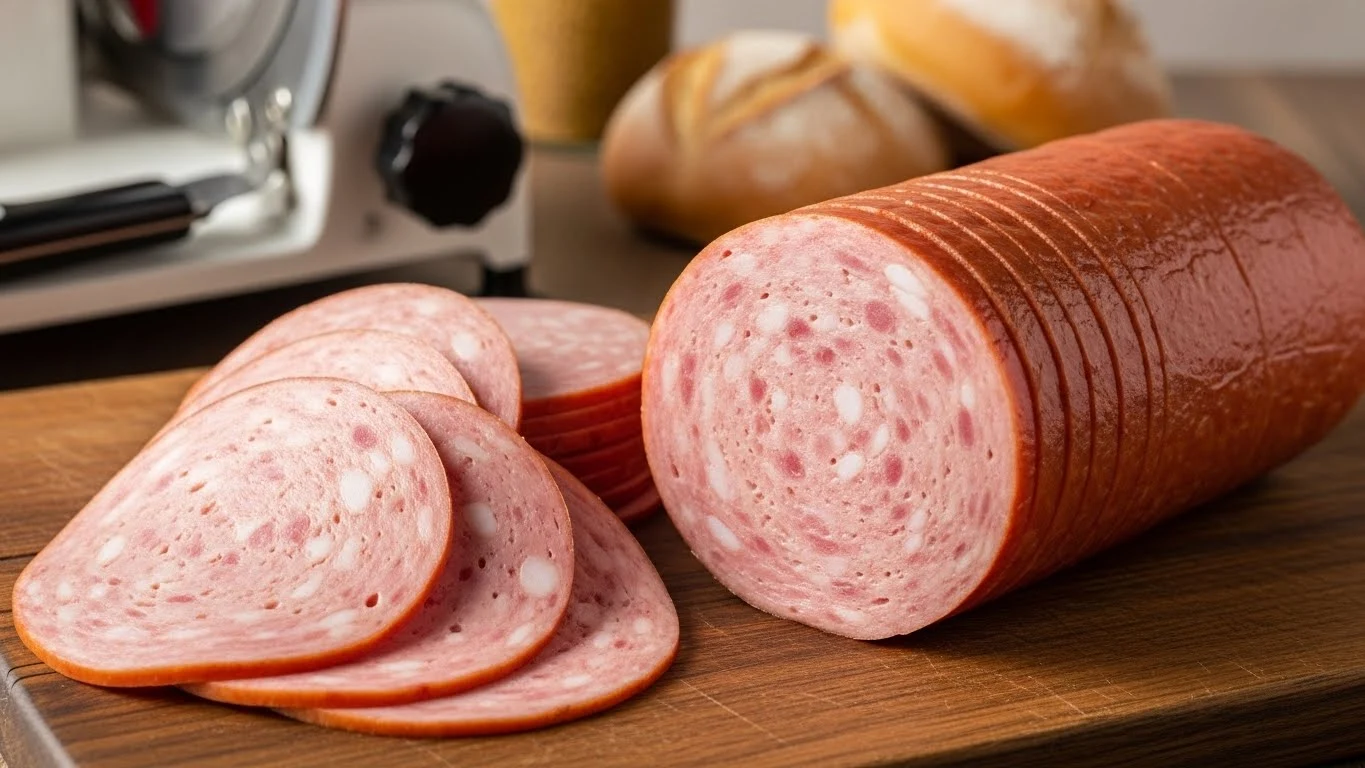
Remember those childhood picnics with thick stacks of bologna on soft bread? Or the classic school lunch that always hit the spot? Those simple joys now clash with today’s worries about what we eat. Bologna Meat feels like a guilty pleasure, but its health risks loom large in our minds.
You might wonder: is bologna meat bad for you or is bologna good for you in the long run? This processed staple packs high sodium, fats, and nitrates that can harm your body over time. While it’s quick and tasty, smart choices matter for your health. In this piece, we’ll break down bologna’s ingredients, explore disease links, weigh its nutrition, share tips for safer eating, and suggest better swaps. Let’s dig in and get the facts immediately.
is bologna bad for you: What Exactly Are You Eating?
Bologna starts as a mix of odds and ends from the meat world. But once you peek inside, the picture changes fast.
The Primary Ingredients Revealed
Most bologna comes from mechanically separated meat. This means pork, beef, or turkey gets pushed through machines to scrape every bit off the bones. It’s not like a juicy steak; it’s more like a paste formed into a log. Water fills it out, and binders like corn syrup help it stick together. Flavor comes from spices and smoke, but the base stays far from whole cuts. You get convenience, yet lose the natural texture of real meat slices.
Think of it this way: whole chicken breast offers clean protein. Bologna? It’s a blend that hides scraps under a smooth pink skin. Brands vary, but the core stays processed. Always check the label to spot the differences.
Sodium and Preservatives: The Preservation Necessity
Salt keeps bologna fresh and pink. A single two-ounce slice often hits 400 milligrams of sodium. That is approximately 20% of what you need every day, based on health suggestions. Too much adds up quick, especially in sandwiches.
Nitrates and nitrites do the heavy lifting too. Sodium nitrite fights bacteria and locks in that rosy color. Without them, bologna would turn gray and spoil fast. But these chemicals spark debates. They help food last, yet raise flags for health watchers.
Fat Content and Calorie Density
Bologna loves fat. Regular kinds pack 10 to 15 grams per serving, mostly saturated. That’s the type that clogs arteries if you overdo it. Lean versions cut it to five grams, but calories still hover around 100 per slice.
Saturated fats come from beef or pork blends. Unsaturated ones peek in from turkey options, but not enough to balance things. A fried slice jumps to 150 calories fast. Compare that to fresh turkey: fewer fats, same fullness. Your choice shapes the impact on your waistline.
The Link Between Processed Meat and Chronic Disease

Processed meats like bologna tie to big health issues. Studies show patterns that can’t be ignored. Let’s connect the dots.
Understanding the WHO Classification
The World Health Organization labels processed meats as Group 1 carcinogens. That puts them in the same risk group as smoking or asbestos. It means strong evidence links them to cancer, especially colorectal types.
In simple terms, eat them often, and risks climb. The IARC says even small daily amounts matter. One study discovered a 18% higher colon most cancers chance with 50 grams a day. Bologna counts in that 50-gram chunk. It’s not a ban, but a call to cut back.
Cardiovascular Risks: Sodium and Fat Overload
is bologna bad for you? High sodium in bologna strains your heart. It leads to high blood pressure, a key player in strokes and heart attacks. The American Heart Association warns against over 2,300 milligrams daily; bologna pushes you close in one meal.
Saturated fats raise bad cholesterol too. Your levels spike, arteries narrow, and blood flow suffers. Over years, this builds plaque. Heart disease claims lives yearly—don’t let lunch speed it up. Swap habits now for a stronger tick.
Nitrates, Nitrites, and Nitrosamine Formation
Nitrates turn into nitrites during curing. Heat them up, like in a hot sandwich, and nitrosamines form. These compounds may cause cell damage and cancer growth.
Frying bologna at high temps worsens it. The sizzle creates more of these risky bits. Cold eats avoid some trouble, but the base stays. Research from the National Cancer Institute backs this chain reaction. Your cooking style matters a lot here.
Evaluating Nutritional Quality: Micronutrients vs. Empty Calories
Bologna offers some perks, but pitfalls overshadow them. Let’s weigh the good against the bad.
Protein Content: A Minor Benefit
You get about 10 grams of protein per two slices. That’s solid for muscle repair. But additives like salt drown the win. Pure protein from eggs or fish beats it hands down.
It’s not worthless, though. In a pinch, it fuels you. Just don’t rely on it daily. Balance with veggies for real nutrition.
Trace Vitamins and Minerals
Bologna hides B vitamins from meat sources. Think B12 for energy and nerves. Iron sneaks in too, aiding blood health. But processing strips much away.
These traces won’t save the day. High sodium cancels gains. A multivitamin or fresh foods deliver more without the junk. Keep expectations low here.
Comparing Processed Bologna to Whole Meats
Take three ounces of turkey bologna: 250 calories, 1,200 milligrams sodium, low fiber. Now, fresh roasted turkey: 140 calories, 60 milligrams sodium, plus natural juices.
Whole meats keep nutrients intact. Bologna loses them in the grind. Fiber? Absent in processed cuts. Your body thanks the upgrade. Try the switch; taste the difference.
Strategies for Healthier Sandwich Making
You love bologna’s ease. But tweaks make it safer. Start small for big wins.
Reading Labels: Identifying Lower-Risk Options
Scan for sodium under 400 milligrams per serving. Look for “low-sodium” tags. Uncured bologna uses celery powder instead of nitrites—better, but check totals.
Skip added sugars or fillers like dextrose. Organic lines cut chemicals. Your eyes on the back panel guide smart picks. Knowledge turns shopping into power.
Moderation and Frequency: Portion Control Advice
Limit to once a week, one or two slices max. Pair with greens to dilute salt. Track intake; apps help.
Treat it like dessert, not dinner. Your heart will thank you. Small changes build habits that last.
Cooking Methods Matter: Avoiding High Heat
Eat bologna cold on crackers. Or microwave gently—no fry. Grilling chars it, boosting risks.
Steam slices if warm calls. Keep temps low. Simple shifts cut dangers without losing fun.
Healthier Substitutes for Bologna Lovers
Ditch the worry with swaps that satisfy. Taste stays, health improves.
Lean, Minimally Processed Deli Slices
Grab fresh turkey breast from the counter. Low sodium, high protein—under 50 milligrams per slice. Roast beef follows suit, lean and flavorful.
These avoid machines and extras. Slice thin for that bologna feel. Your sandwiches upgrade easy.
Plant-Based Alternatives: Analyzing the Ingredients
Veggie “bologna” from brands like Beyond skips meat woes. Soy or pea protein base, no nitrates. But sodium lingers—aim for 300 milligrams or less.
Check for oils and binders. Many taste spot-on. A win for variety, if labels align.
Whole Food Protein Ideas
Slice hard-boiled eggs for creaminess. Spread hummus with chickpeas. Leftover chicken breast grills perfect.
These pack fiber and vitamins. No processing needed. Mix and match for endless options.
Conclusion: Making Informed Decisions About Bologna
Bologna’s main troubles stem from sodium overload and nitrate preservatives. They preserve taste but harm over time.
Regular eats raise real risks for cancer and heart issues. Small amounts won’t ruin you, but daily habits do.
Armed with this, swap to fresh picks. Your body thrives on whole foods. Try one change today—your future self will smile. What’s your go-to sandwich now?
