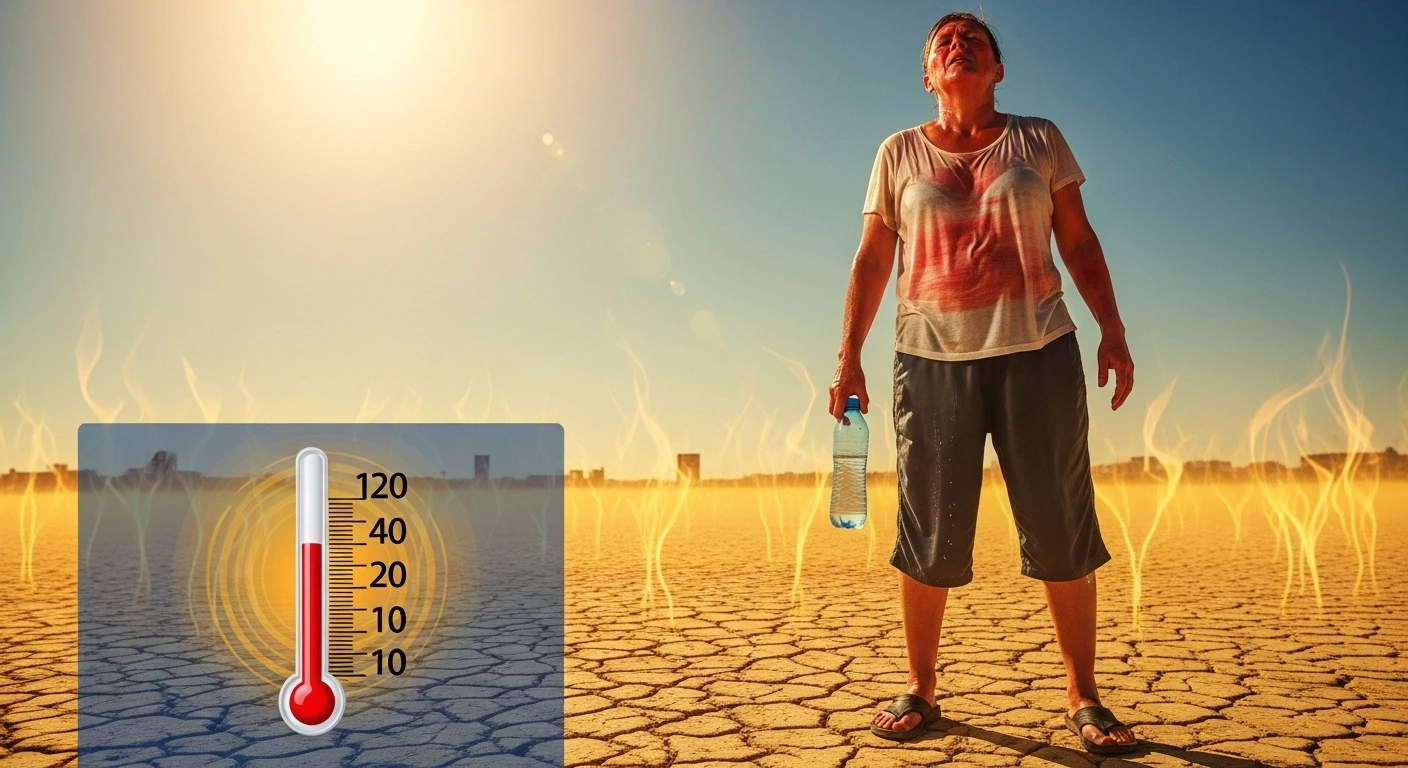
Many people ask an important health question: can dehydration cause a high fever?
The short answer is—yes, dehydration can increase body temperature, but it does not always cause a true fever in the medical sense.
Dehydration happens when your body loses extra water than it takes water in. Since water plays a key role in body temperature regulation, a lack of fluids can lead to overheating, weakness, and symptoms that feel like a fever. In some cases, especially in hot weather or during illness, high fever due to dehydration may occur.
In this article, you’ll learn how dehydration affects body temperature, how to tell the difference between fever and dehydration overheating, and when dehydration-related symptoms become dangerous.
What Is Dehydration?
Dehydration occurs when your body does not have enough water to function properly. Water is essential for digestion, circulation, sweating, and keeping your body cool. When fluid levels drop, your body struggles to maintain balance.
Even mild water deficiency effects on the body can cause fatigue, headaches, and dizziness. Severe dehydration can lead to electrolyte imbalance symptoms, overheating, and serious health complications.
Common Causes of Dehydration
Dehydration can happen for many reasons, including:
- Not drinking enough water
- Excessive sweating and water loss, specially in hot weather
- Diarrhea or vomiting
- Fever or illness
- Intense physical activity
- Increased urination
When fluid loss increases and hydration is not restored, the risk of dehydration and overheating becomes much higher.
Who Is Most at Risk of Dehydration?
Some people are more likely to experience dehydration and related illnesses:
- Children, who lose fluids faster
- Older adults, who may not feel thirst clearly
- Athletes and outdoor workers
- People living in hot or humid climates
- Individuals with chronic illnesses
In these groups, dehydration fever in adults and dehydration fever in children can develop more quickly if fluid intake is low.
What Is a High Fever?
A fever happens when your body temperature rises above normal body temperature level. It is often a response to infection, but fever without infection can also occur due to dehydration or heat-related conditions.
Normal body temperature is around 98.6°F (37°C). A temperature above 100.4°F (38°C) is considered a fever, while temperatures above 103°F (39.4°C) are considered high and need attention.
Normal Body Temperature vs High Fever
- Normal: 97°F–99°F (36.1°C–37.2°C)
- Mild fever: 100.4°F–102°F (38°C–39°C)
- High fever: Above 103°F (39.4°C)
When dehydration interferes with hydration and body temperature, the body may struggle to cool itself, leading to a dangerous rise in temperature.
Common Causes of High Fever
Some common causes of high fever include:
- Viral or bacterial infections
- Inflammatory conditions
- Heat exhaustion and dehydration
- Severe fluid loss
- Heat stroke vs dehydration confusion
In cases of fluid loss and fever, dehydration may worsen symptoms and increase the risk of complications.
Can Dehydration Cause a High Fever?
Yes, dehydration can cause a rise in body temperature, and in some cases, it may lead to a high fever due to dehydration. However, this usually happens when dehydration becomes moderate to severe.
Your body relies on water to cool itself through sweating. When fluid levels drop, this cooling system fails. As a result, dehydration causing body temperature rise becomes more likely, especially in hot environments or during illness.
While dehydration alone may not always cause a true infection-related fever, it can still lead to fever from dehydration causes such as overheating and heat stress.
How Dehydration Affects Body Temperature

To understand how dehydration affects body temperature, it helps to know how cooling works:
- Water helps regulate heat through sweating
- Sweating removes excess heat from the skin
- Dehydration reduces sweat production
- Heat becomes trapped inside the body
When this happens, can dehydration increase body temperature?
Yes—especially during exercise, fever, or high temperatures.
This is why dehydration and overheating often occur together and can quickly become dangerous.
Dehydration vs Fever: What’s the Difference?
Many people confuse dehydration overheating with fever. Here’s a simple comparison:
Fever:
- Usually caused by infection
- Immune system response
- Body raises temperature on purpose
Dehydration Overheating:
- Caused by fluid loss
- Poor temperature regulation
- Body cannot cool itself
Understanding the difference between fever and dehydration overheating is important because treatment is different.
Can Dehydration Cause Fever Without Infection?
Yes, dehydration can cause fever without infection. This is common in hot weather, during intense activity, or when illness causes fluid loss.
In these cases, the fever is linked to:
- Fluid loss
- Electrolyte imbalance
- Heat buildup in the body
This explains why does dehydration lead to fever is a common health concern.
Signs and Symptoms of Dehydration-Related Fever
Recognizing the symptoms of dehydration and fever early can prevent serious complications. Symptoms vary depending on severity.
Mild to Moderate Symptoms
Early signs of dehydration include:
- Thirst
- Dry mouth or lips
- Dark yellow urine
- Fatigue or weakness
- Headache
- Mild increase in body temperature
These symptoms often improve with proper dehydration treatment and rest.
Severe Symptoms That Need Medical Attention
Signs of severe dehydration may include:
- High fever
- Rapid heartbeat
- Confusion or dizziness
- Very little or no urine
- Sunken eyes (especially in children)
- Dry skin that does not bounce back
These are serious dehydration related illness symptoms and require urgent medical care.
When Dehydration and Fever Become Dangerous
Dehydration combined with fever can quickly turn into a medical emergency if ignored. Severe fluid loss affects blood flow, organ function, and temperature control.
Dehydration in Children and Older Adults
Children and older adults are more vulnerable because:
- They lose fluids faster
- They may not feel thirst clearly
- Fever increases fluid loss
This is why dehydration fever in children and older adults should never be ignored.
Dehydration, Heat Exhaustion, and Heat Stroke
Untreated dehydration can lead to:
- Heat exhaustion and dehydration
- Confusion and weakness
- Collapse or fainting
Heat stroke vs dehydration:
Heat stroke is more severe and life-threatening. It happens when the body can no longer control its temperature and requires emergency care.
How to Treat Dehydration-Related Fever
Treating a fever caused by dehydration focuses on restoring fluids and helping the body cool down. In many cases, proper hydration can quickly improve symptoms.
Immediate Steps to Lower Body Temperature
If you suspect high fever due to dehydration, take these steps right away:
- Move to a cool or shaded area
- Rest and avoid physical activity
- Loosen tight clothing
- Use a cool cloth on the forehead or neck
- Sip fluids slowly and regularly
These steps help improve hydration and body temperature control.
Best Fluids for Rehydration
Not all fluids are equally helpful. The best options include:
- Water
- Oral rehydration solutions
- Electrolyte drinks (low sugar)
- Clear soups or broths
These help replace fluids and reduce electrolyte imbalance symptoms. Avoid caffeine and alcohol, as they increase water loss.
When to See a Doctor
Seek medical care if:
- Fever remains high after hydration
- Symptoms worsen
- There is confusion or fainting
- A child or older adult is affected
- You notice signs of severe dehydration
Medical treatment may be needed to prevent dehydration complications.
How to Prevent Dehydration and Fever
Prevention is the best way to avoid dehydration-related illnesses. Staying hydrated supports overall health and helps regulate body temperature.
Daily Hydration Tips
To reduce the risk of dehydration:
- Drink water throughout the day
- Increase fluids in hot weather
- Eat water-rich foods (fruits and vegetables)
- Monitor urine color (pale yellow is ideal)
These habits support the importance of hydration for daily health.
Hydration During Illness or Heat Exposure
You need more fluids when:
- You have a fever
- You are vomiting or have diarrhea
- You exercise heavily
- You spend time in hot environments
Extra hydration helps prevent fluid loss and fever and lowers the risk of overheating.
FAQS
Yes, can dehydration cause a high fever in adults—especially during hot weather, illness, or heavy physical activity. Severe fluid loss can interfere with body temperature regulation.
Yes. Dehydration fever in children can develop quickly because children lose fluids faster and may not recognize thirst early.
Body temperature can rise above 102–103°F (39–39.5°C) in severe cases. This requires medical attention.
Yes. Dehydration can confuse the body’s temperature control, leading to chills even when body temperature is high.
Mild cases may improve within hours of proper hydration. Severe cases may last longer and need medical treatment.
No. Heat stroke vs dehydration differs in severity. Heat stroke is life-threatening and requires emergency care.
Yes. Rehydration often lowers body temperature and improves symptoms, especially in mild to moderate cases.
