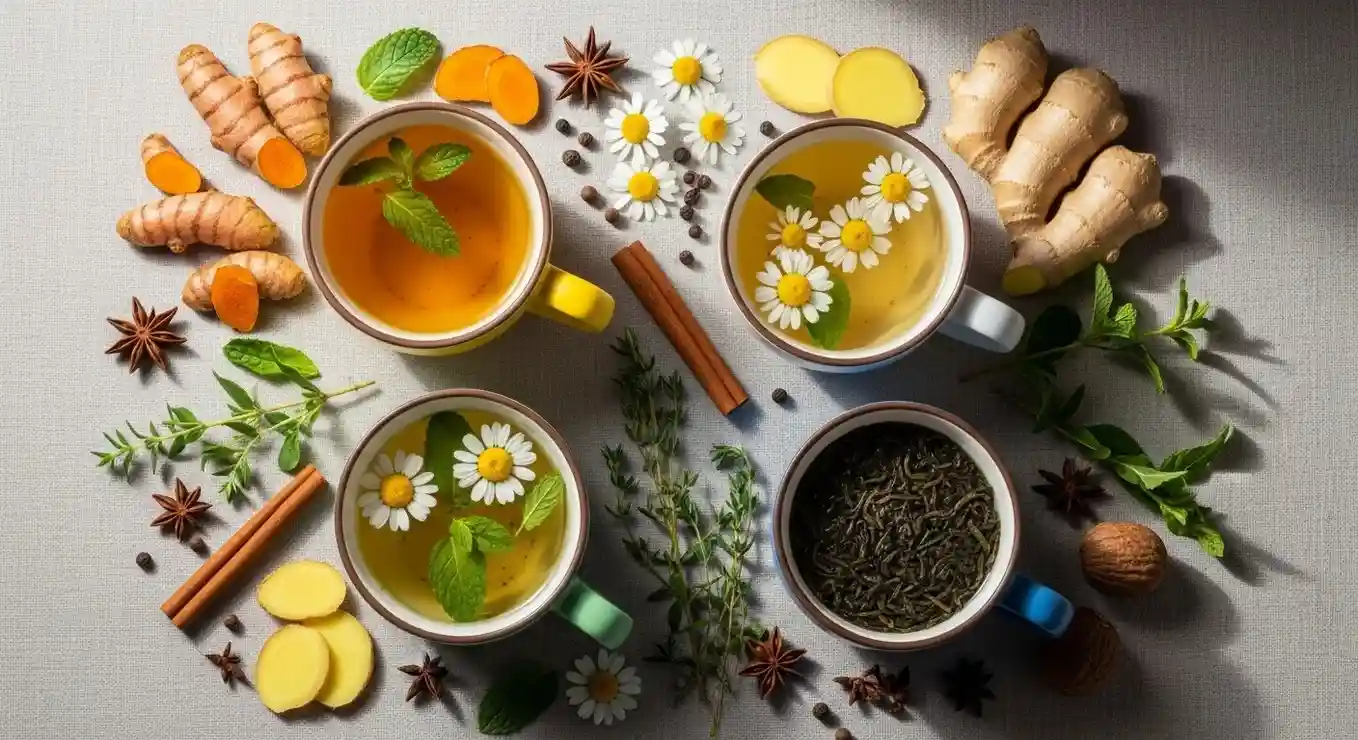
Inflammation is your body’s natural defense system—but when it becomes chronic, it can silently damage your overall health. Many people today are turning to anti inflammatory teas as gentle, natural remedies to calm inflammation and support overall wellness.
From soothing herbal teas for inflammation to powerful blends like turmeric tea and ginger tea, these drinks offer an easy way to fight inflammation every day. Unlike medications, anti inflammation tea works naturally, helping reduce swelling, pain, and oxidative stress without harsh side effects.
In this guide, you’ll learn what anti inflammatory teas are, how they work, and why they are considered some of the best natural anti inflammatory drinks for long-term health.
What Is Inflammation and Why Does It Matter?
inflammation is the body’s reaction to injury, contamination, or stress. In the short, it helps you heal. But when inflammation stays active for too long, it can harm the body instead of helping it.
Chronic inflammation has been linked to different health issues, including:
- Joint pain and stiffness
- Arthritis and muscle swelling
- Digestive and gut inflammation
- Heart disease
- Weakened immune system
This is why many health experts recommend natural remedies for inflammation, such as inflammation reducing teas, as part of a healthy lifestyle.
Acute vs Chronic Inflammation
Acute inflammation is short-term and helpful. For example, swelling after an injury is a sign your body is healing.
Chronic inflammation, on the other hand, lasts for months or even lasts for years. It can quietly damage tissues and organs, leading to ongoing pain and illness.
Drinking teas that fight inflammation may help calm this long-term inflammation and support healing from within.
What Are Anti Inflammation Teas?

Anti inflammation teas are herbal or plant-based teas made from ingredients known to reduce inflammation in your body. These teas contain natural compounds that help fight swelling, pain, and oxidative stress.
Common anti inflammatory herbal tea ingredients include:
- Ginger
- Turmeric
- Green tea leaves
- Chamomile flowers
- Cinnamon bark
- Peppermint leaves
These healing herbal teas are often caffeine-free and gentle, making them suitable for daily use.
How Teas Help Fight Inflammation Naturally
Anti inflammation teas work by delivering powerful plant compounds that support the body’s natural healing process. These include:
- Antioxidants that reduce oxidative stress
- Polyphenols that calm inflammatory pathways
- Anti-inflammatory oils and phytonutrients
For example:
- Green tea benefits include oxidative stress reduction
- Ginger tea supports joint pain relief
- Turmeric tea helps block inflammation-causing enzymes
When consumed regularly as part of a daily herbal tea routine, these teas can support gut health, joint comfort, and immune system balance.
Health Benefits of Anti Inflammation Teas
Drinking anti inflammatory teas regularly can support your body in many ways. These natural drinks work gently but effectively to calm inflammation and improve overall health.
Some key benefits include:
- Reduced swelling and pain
- Better digestion and gut health
- Stronger immune system support
- Improved joint comfort and mobility
- Lower oxidative stress in the body
Because they are natural and mostly caffeine-free, inflammation reducing teas are safe for most people to enjoy daily.
Supports Joint and Muscle Health
Many people use anti inflammation tea as a joint pain relief tea, especially for stiffness and soreness. Ingredients like ginger and turmeric are known for easing discomfort linked to arthritis inflammation tea needs.
These teas may help:
- Reduce joint swelling
- Improve flexibility
- Support muscle recovery after activity
Improves Digestion and Gut Health
Inflammation in the gut can lead to bloating, cramps, and discomfort. Certain herbal teas for inflammation, such as peppermint and fennel tea, help relax the digestive system and reduce gut irritation.
This makes them useful for:
- Gut inflammation relief
- Better digestion
- Reduced stomach pain
Boosts Immune System
Chronic inflammation weakens the immune system over time. Natural anti inflammatory drinks, like green tea and chamomile tea, contain antioxidants that help protect immune cells and support overall defense.
Supports Heart and Brain Health
Inflammation plays a role in heart disease and cognitive decline. Regularly drinking teas that fight inflammation may help support healthy blood vessels and brain function by reducing inflammatory markers.
Best Anti Inflammation Teas You Should Try
Below are some of the best tea for inflammation, backed by traditional use and modern research.
Ginger Tea
Ginger tea is one of the most popular anti inflammatory herbal tea options. It contains gingerol, a compound known to lessen inflammation and pain.
Benefits include:
- Swelling and pain relief
- Joint and muscle support
- Improved digestion
It is especially helpful for people dealing with arthritis or muscle soreness.
Turmeric Tea
Turmeric tea is a powerful tea to reduce inflammation due to its active compound, curcumin.
Key benefits:
- Helps fight chronic inflammation
- Supports joint and immune health
- Reduces oxidative stress
For better absorption, turmeric tea is sometime paired with black pepper.
Green Tea
Known for its strong antioxidants, green tea benefits include inflammation reduction and immune support.
Why it works:
- Rich in EGCG antioxidants
- Helps reduce inflammation in the body
- Supports heart and metabolic health
Green tea does contain caffeine, so it’s best enjoyed as a morning detox tea.
Chamomile Tea
Chamomile tea is a gentle, caffeine-free option that works well as a tea before bed inflammation remedy.
Benefits:
- Calms inflammation
- Supports sleep and relaxation
- Helps with gut inflammation relief
It’s ideal for people sensitive to caffeine.
Peppermint Tea
Peppermint tea helps relax muscles and reduce digestive inflammation.
Best for:
- Gut inflammation relief
- Bloating and cramps
- Natural pain relief
This tea is refreshing and easy to include in a daily routine.
Rooibos Tea
Rooibos tea is rich in antioxidants and clearly caffeine-free.
Why it’s beneficial:
- Helps reduce chronic inflammation
- Supports immune system health
- Safe for evening use
Cinnamon Tea
Cinnamon tea offers warming, anti-inflammatory properties that support blood sugar balance and inflammation control.
Benefits include:
- Reduces inflammation
- Supports circulation
- Adds natural sweetness without sugar
Fennel Tea
Fennel tea is often used for digestive comfort and inflammation relief.
Helpful for:
- Reducing gut swelling
- Easing cramps
- Supporting digestion
Holy Basil (Tulsi) Tea
Holy basil (tulsi) tea is a traditional healing tea used to fight stress and inflammation.
Benefits:
- Reduces inflammation in the body
- Supports immune balance
- Helps the body manage stress
How to Choose the Best Anti Inflammation Tea
Not all teas offer the same health benefits. Choosing the right anti inflammatory teas can make a big difference in how well they work for your body.
When selecting a tea, focus on quality, ingredients, and how it fits into your lifestyle.
Organic vs Non-Organic Teas
Organic teas are often the better choice when looking for herbal teas for inflammation.
Why organic matters:
- Fewer pesticides and chemicals
- Higher-quality plant compounds
- Better for long-term daily use
Since anti inflammation tea is often consumed regularly, organic options help reduce unwanted toxins in the body.
Loose Leaf vs Tea Bags
Both options work, but loose-leaf teas usually provide stronger benefits.
Loose-leaf teas:
- Higher concentration of anti-inflammatory compounds
- Better flavor and freshness
Tea bags:
- More convenient
- Still effective when high-quality
If convenience matters, choose reputable brands that focus on anti inflammatory herbal tea blends.
How to Brew Anti Inflammation Teas for Maximum Benefits
Brewing your tea correctly helps preserve its natural healing properties. Poor brewing can reduce the effectiveness of teas that fight inflammation.
Best Brewing Temperature and Time
Follow these general tips:
- Herbal teas: Steep in hot water for 5–10 minutes
- Green tea: Use slightly cooler water to protect antioxidants
- Roots like ginger or turmeric: Simmer gently for stronger results
Proper brewing helps release antioxidants and compounds that support inflammation reduction.
Ingredients to Add for Extra Anti-Inflammatory Power
You can boost your tea’s effectiveness by adding natural ingredients, such as:
- Lemon – supports detox and digestion
- Raw honey – adds soothing benefits
- Black pepper – improves turmeric absorption
- Cinnamon – enhances inflammation control
These additions turn your tea into a powerful natural anti inflammatory drink.
When and How Often Should You Drink Anti Inflammation Teas?
Consistency is key when using anti inflammatory teas for health benefits.
Best Time of Day to Drink Anti Inflammation Teas
- Morning: Green tea or ginger tea as a morning detox tea
- Afternoon: Peppermint or fennel tea for digestion
- Evening: Chamomile or rooibos as a tea before bed inflammation solution
Choosing the right time improves results and comfort.
Daily Intake Recommendations
Most people can safely enjoy:
- 2–3 cups per day
- Different teas throughout the day for balanced benefits
This creates a healthy daily herbal tea routine without overuse.
Are There Any Side Effects or Precautions?
While anti inflammation teas are generally safe, it’s important to be mindful of individual needs.
Who Should Avoid Certain Anti Inflammation Teas
Use caution if you:
- Are pregnant or breastfeeding
- Take blood-thinning or chronic medications
- Have known allergies to herbs
If unsure, consult a healthcare professional before starting regular use of natural remedies for inflammation.
Anti Inflammation Teas vs Supplements
Many people wonder whether teas or supplements work better for inflammation.
Which Is Better for Long-Term Use?
Anti inflammation teas:
- Gentle and natural
- Support hydration
- Lower risk of side effects
Supplements:
- Higher concentration
- Useful for specific conditions
For most people, healing herbal teas are a safer and more sustainable long-term option.
Lifestyle Tips to Enhance the Effects of Anti Inflammation Teas
Teas work best when combined with healthy habits.
Anti-Inflammatory Diet
Pair your tea with foods like:
- Leafy greens
- Fatty fish
- Nuts and seeds
- Fresh fruits
Exercise and Stress Management
Regular movement and stress control help lower chronic inflammation. Yoga, walking, and deep breathing work well alongside inflammation reducing teas.
FAQS
Turmeric tea and ginger tea are often considered the most powerful due to their strong anti-inflammatory compounds.
Yes, most caffeine free anti inflammatory tea options are safe for daily use.
Yes, many people use arthritis inflammation tea to reduce joint pain and stiffness.
Some people notice benefits within days, while others see results after consistent use for a few weeks.
Chamomile, rooibos, peppermint, fennel, and tulsi teas are naturally caffeine-free.
