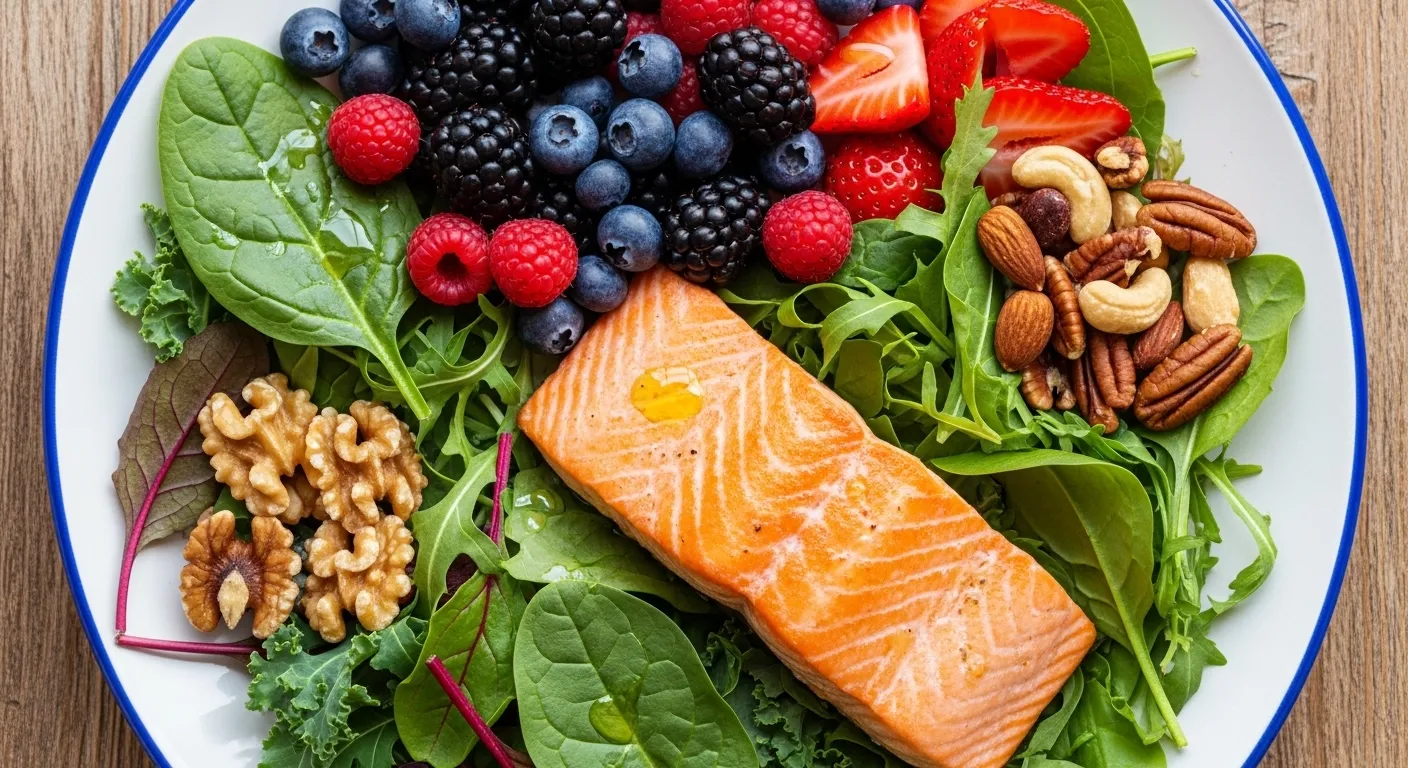
Rheumatoid arthritis (RA) is a chronic autoimmune condition that, as a result, causes joint pain, swelling, stiffness, and fatigue. While medication plays a major role in treatment, diet is a powerful tool that can help manage symptoms and improve quality of life. Many people with RA ask the same question: what foods are best for rheumatoid arthritis? The answer lies in choosing foods that reduce inflammation, support joint health, and strengthen the immune system. A well-planned rheumatoid arthritis diet can help lower inflammation, ease joint pain, and support overall health.
In this article, you’ll learn:
- Which foods for rheumatoid arthritis help reduce inflammation
- How nutrition affects joint pain and stiffness
- Why an anti-inflammatory diet for rheumatoid arthritis matters
To begin with, let’s understand how rheumatoid arthritis works and why food choices matter.
Understanding Rheumatoid Arthritis and Inflammation

In fact, rheumatoid arthritis is not just a joint problem—it is an autoimmune disease. As a result, the immune system mistakenly attacks healthy joint tissue, leading to long-term inflammation and damage.
What Is Rheumatoid Arthritis?
More specifically, rheumatoid arthritis is a chronic inflammatory condition where the immune system targets the lining of the joints. Over time, this causes:
- Joint pain and tenderness
- Swelling and stiffness (especially in the morning)
- Reduced mobility
- Fatigue and weakness
Unlike osteoarthritis, which is caused by wear and tear, RA is driven by ongoing inflammation throughout the body. For this reason, rheumatoid arthritis nutrition plays such an important role in symptom management.
How Diet Affects Rheumatoid Arthritis Inflammation
What you eat can either increase or decrease inflammation in the body. Certain foods trigger inflammatory responses, while others help calm the immune system.
A healthy diet for rheumatoid arthritis can:
- Reduce inflammatory markers
- Help manage joint pain and stiffness
- Support immune balance
- Improve gut health, which affects autoimmune conditions
Foods rich in antioxidants, omega-3 fatty acids, and fiber are especially helpful because they act as natural foods for arthritis relief.
Why an Anti-Inflammatory Diet Helps Rheumatoid Arthritis
In general, an anti-inflammatory diet focuses on whole, nutrient-dense foods that fight inflammation and protect joints. For this reason, this type of eating pattern is widely recommended for people with RA.
Anti-Inflammatory Foods vs Inflammatory Foods
However, not all meals affect the body the same way.
Anti-inflammatory foods for rheumatoid arthritis include:
- Fruits and vegetables
- Fatty fish and healthy fats
- Whole grains and legumes
- Herbs and spices with healing properties
As a result, these foods help reduce joint swelling and support long-term joint health.
Inflammatory foods, on the other hand, may:
- Increase joint pain
- Worsen stiffness
- Trigger immune overactivity
Consequently, understanding foods to avoid with rheumatoid arthritis is just as important as knowing what to eat.
Nutrients That Support Joint Health
Certain nutrients are essential in a healthy diet for joint pain and inflammation control:
- Omega-3 fatty acids foods – Help reduce joint inflammation
- Antioxidants – Protect joint cells from damage
- Fiber – Supports gut health and immune balance
- Healthy fats – Reduce inflammatory responses
Together, these nutrients form the foundation of an effective autoimmune disease diet and help explain why food choices matter so much for RA.
Best Foods for Rheumatoid Arthritis
Choosing the right foods can significantly reduce inflammation and support joint health. The best foods for rheumatoid arthritis are rich in anti-inflammatory compounds, healthy fats, antioxidants, and essential nutrients that help calm the immune system.
Including these arthritis-friendly foods as part of a balanced rheumatoid arthritis diet may help reduce pain, stiffness, and swelling over time.
Fatty Fish Rich in Omega-3 Fatty Acids
Specifically, fatty fish are among the most researched foods that reduce rheumatoid arthritis inflammation.
Best options include:
- Salmon
- Sardines
- Mackerel
- Tuna
These fish are excellent omega-3 fatty acids foods, which help:
- Lower inflammation in joints
- Reduce morning stiffness
- Ease joint tenderness
Consequently, omega-3s work by decreasing inflammatory proteins in the body, making them a key part of rheumatoid arthritis nutrition.
Leafy Green Vegetables and Antioxidant-Rich Foods
Moreover, leafy greens are powerful foods that fight inflammation and protect joint tissues.
Top choices include:
- Spinach
- Kale
- Broccoli
- Swiss chard
In fact, these vegetables are filled with antioxidants, vitamins, and minerals that:
- Reduce oxidative stress
- Support immune balance
- Help maintain healthy joints
Adding more fruits and vegetables for rheumatoid arthritis can support long-term joint function and overall health.
Fruits That Help Reduce Inflammation
Moreover, many fruits contain natural compounds that help reduce inflammation and relieve joint pain.
Best anti-inflammatory fruits include:
- Berries (blueberries, strawberries)
- Cherries
- Oranges
- Apples
As a result, these fruits provide antioxidants that help neutralize free radicals, which contribute to joint damage. Consequently, they are excellent foods that help reduce rheumatoid arthritis pain and are easy to include in daily meals.
Healthy Fats Like Olive Oil and Nuts
Healthy fats are essential in a natural diet for rheumatoid arthritis inflammation.
Recommended options:
- Extra virgin olive oil
- Walnuts
- Almonds
- Chia seeds
- Flaxseeds
Olive oil contains natural anti-inflammatory compounds, while nuts and seeds support joint lubrication and mobility. As a result, these are key foods that support joint health and reduce inflammation naturally.
Whole Grains and High-Fiber Foods
In addition, whole grains help regulate inflammation and support gut health, an important factor in autoimmune diseases.
Good choices include:
- Oats
- Brown rice
- Quinoa
- Whole wheat
As a result, fiber-rich foods help reduce inflammatory markers and support digestion, making them an important part of a rheumatoid arthritis meal plan.
Spices and Herbs for Natural Arthritis Relief
Certain herbs and spices offer powerful natural foods for arthritis relief.
Most beneficial options:
- Turmeric
- Ginger
- Garlic
- Cinnamon
Turmeric and ginger are well known for their anti-inflammatory effects and may help reduce joint stiffness when used regularly as part of a balanced diet.
Foods to Avoid With Rheumatoid Arthritis
However, just as some foods help reduce inflammation, others can trigger or worsen rheumatoid arthritis symptoms. Therefore, limiting these foods plays a crucial role in maintaining an effective rheumatoid arthritis diet.
Avoiding inflammatory foods may help:
- Reduce joint pain and swelling
- Improve energy levels
- Support long-term joint health
Processed and Sugary Foods
In fact, highly processed foods are considered some of the main foods to avoid with rheumatoid arthritis.
Common examples include:
- Packaged snacks
- Sugary cereals
- Candy and desserts
- Sugary drinks
Consequently, these foods increase inflammation and may worsen joint stiffness and pain. Reducing sugar intake supports a healthy diet for joint pain and overall inflammation control.
Red Meat and Fried Foods
In addition, red meat and fried foods frequently contain high levels of saturated fats and unhealthy oils.
Foods to limit include:
- Beef and lamb
- Fried chicken
- Fast food
- Deep-fried snacks
These foods may increase inflammatory markers in the body, making them less suitable for people following an anti-inflammatory diet for rheumatoid arthritis.
Refined Carbohydrates and Excess Salt
In addition, refined carbohydrates and salty foods may increase inflammation and promote fluid retention.
Examples include:
- White bread
- Pastries
- White rice
- Packaged soups and sauces
Moreover, choosing whole, unprocessed foods helps maintain a balanced diet for rheumatoid arthritis and eases stress on the joints.
Best Diet Plans for Rheumatoid Arthritis
Following a structured eating plan can make it easier to choose the right foods for rheumatoid arthritis consistently.
Mediterranean Diet for Rheumatoid Arthritis
In fact, the Mediterranean diet is widely recommended as one of the best anti-inflammatory foods for rheumatoid arthritis–focused eating patterns.
Key features include:
- Fatty fish and seafood
- Olive oil as the main fat source
- Fruits and vegetables
- Whole grains and legumes
As a result, this diet supports heart health, reduces inflammation, and improves joint mobility.
Plant-Based and Anti-Inflammatory Diets
Moreover, plant-based and anti-inflammatory diets emphasize whole, nutrient-dense foods.
Benefits include:
- Lower inflammation levels
- Improved gut health
- Better immune balance
As a result, these diets emphasize vegetables, fruits, legumes, nuts, and seeds, making them ideal for people managing an autoimmune disease diet.
Sample Rheumatoid Arthritis-Friendly Meal Ideas
Putting theory into practice is key. Consequently, simple meal planning helps ensure you eat the best foods for rheumatoid arthritis on a daily basis.
Breakfast, Lunch, and Dinner Ideas
Simple meal ideas include:
- Breakfast: Oatmeal with berries and flaxseeds
- Lunch: Grilled salmon with quinoa and vegetables
- Dinner: Lentil soup with leafy vegetables and olive oil
in addition, these meals support a balanced rheumatoid arthritis meal plan without being complicated.
Healthy Snacks for Joint Health
Joint-friendly snack ideas:
- Nuts and seeds
- Fresh fruit
- Yogurt with berries
- Hummus with vegetables
Snacks like these help maintain energy while supporting joint health.
Lifestyle Tips to Support a Rheumatoid Arthritis Diet
Diet works best when combined with healthy daily habits. Moreover, Along with eating the right foods for rheumatoid arthritis, small lifestyle changes can help reduce inflammation and improve joint comfort.
Hydration and Its Role in Joint Health
Staying hydrated helps maintain joint lubrication and supports overall mobility.
Benefits of proper hydration include:
- Reduced joint stiffness
- Improved cartilage health
- Better nutrient absorption
in addition, water, herbal teas, and anti-inflammatory drinks support rheumatoid arthritis nutrition and joint function.
Consistency, Portion Control, and Mindful Eating
Eating well consistently matters more than eating perfectly.
Helpful habits include:
- Eating balanced meals regularly
- Avoiding overeating
- Paying attention to food triggers
In addition, a steady, mindful approach supports a long-term diet for rheumatoid arthritis and helps reduce flare-ups.
When to Consult a Doctor or Dietitian
While food plays an important role, it does not replace medical treatment.
Personalized Nutrition for Rheumatoid Arthritis
However, every person with RA responds differently to foods. A healthcare provider or registered dietitian can help:
- Identify personal trigger foods
- Build a customized rheumatoid arthritis meal plan
- Ensure proper nutrient intake
This is especially important for managing an autoimmune disease diet safely and effectively.
FAQS
People with rheumatoid arthritis should limit:
Processed and sugary foods
Fried foods
Red meat
Refined carbohydrates
These foods can increase inflammation and worsen joint pain.
The best foods for rheumatoid arthritis include:
Fatty fish rich in omega-3 fatty acids
Leafy green vegetables
Berries and other antioxidant-rich fruits
Olive oil and nuts
These foods that reduce rheumatoid arthritis inflammation help support joint health.
A balanced, anti-inflammatory breakfast may include:
Oatmeal with berries and flaxseeds
Whole-grain toast with avocado
Smoothies made with fruits and leafy greens
These options support energy levels and reduce morning stiffness.
Drinks that support joint health include:
Water
Green tea
Ginger or turmeric tea
These beverages help hydrate the body and fight inflammation naturally.
People with arthritis should limit:
Sugary drinks
Excess alcohol
Sweetened sodas
These drinks may worsen inflammation and joint discomfort.
You can support natural joint lubrication by:
Staying well hydrated
Eating omega-3 fatty acids foods
Including healthy fats like olive oil
Maintaining regular gentle movement
These habits support flexibility and joint comfort over time.
