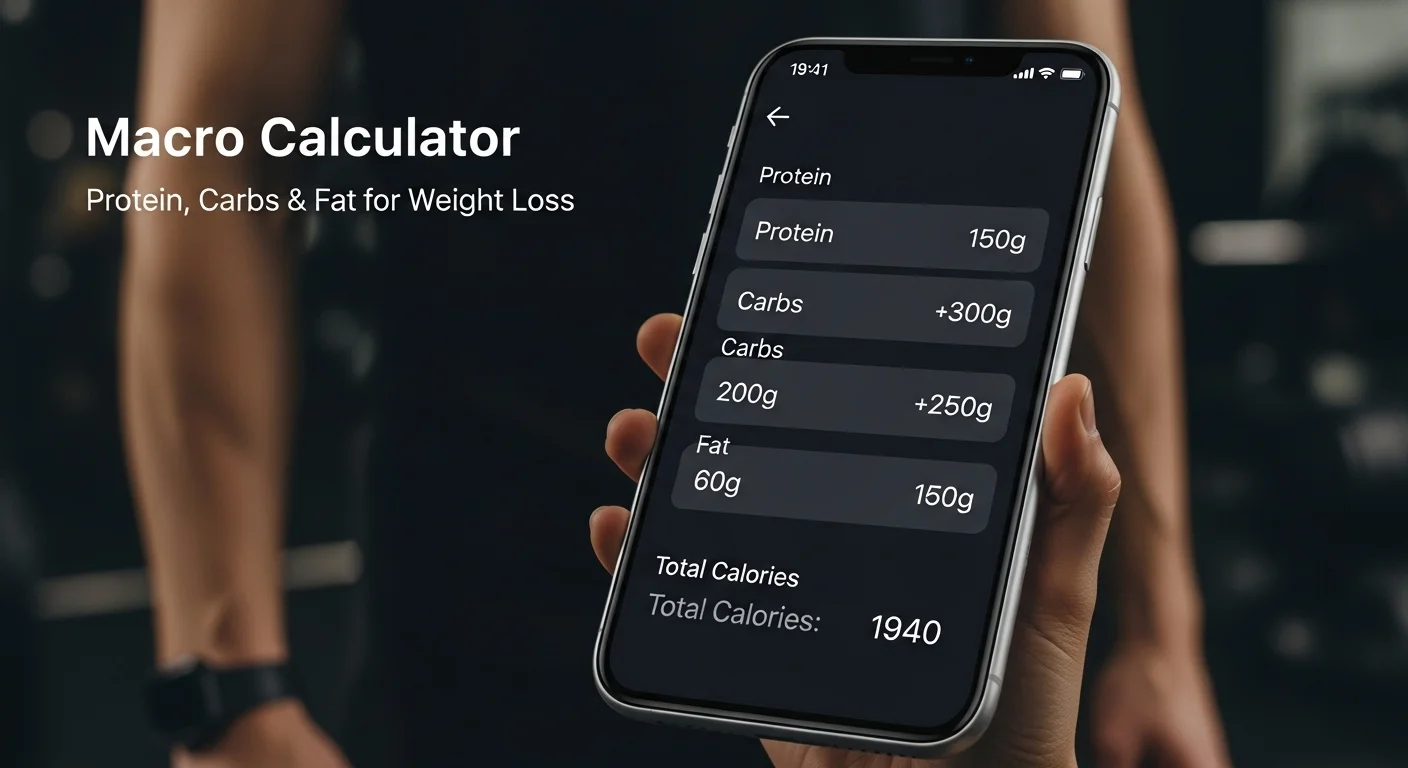
If you’ve ever tried to lose fat or build muscle, you’ve probably heard people talk about “Macro Calculator (Protein/Carbs/Fat)” However what does that truely meaning? And how do you know what amounts of protein, carbs, and fats you should eat daily?
Professional Macro Calculator
Calculate your personalized daily nutrition targets based on your goals.
Why Macros Matter?
While calories determine weight change, macronutrients determine body composition. Protein repairs tissue, fats regulate hormones, and carbs provide energy for your brain and muscles.
PROTEIN
Muscle growth & recovery
CARBS
Energy & performance
FATS
Brain health & hormones
TOTAL CALORIES / DAY
Protein
0 kcal
Carbohydrates
0 kcal
Healthy Fats
0 kcal
Professional Macro Engine v2.0
A macro calculator (protein/carbs/fat) is a tool that helps you find the right balance based on your body type, goals, and activity level. For gym enthusiasts, this is a game-changer because it turns nutrition from guesswork into a clear, structured plan.
In this guide, you’ll learn:
- What a macro calculator is
- How to use it correctly
- How macros support fat loss and muscle growth
- Common mistakes to avoid
- A sample macro plan for gym users
If you want a simple, effective, and sustainable way to reach your fitness goals, this article is for you.
What Is a Macro Calculator (Protein/Carbs/Fat)?
A macro calculator is a tool that estimates the amount of macronutrients you should consume daily:
- Protein
- Carbohydrates
- Fats
These three nutrients are the foundation of your diet and are crucial for energy, recovery, and body composition.
Why Gym Enthusiasts Need a Macro Calculator
Gym workouts increase your body’s demand for nutrients. If you’re not giving your body the right macro balance, you might:
- feel low energy
- struggle to recover
- lose muscle instead of fat
- get stuck in a plateau
A macro calculator helps you avoid these issues by providing a clear protein carbs fat ratio.
Why Macro Tracking Works for Weight Loss and Muscle Gain

Many people focus only on calories, thinking that is the most effective thing that matters. While calories are important, macros give your body the right fuel to perform.
Macro tracking helps you:
- Maintain a calorie deficit for fat loss
- Protect muscle during cutting
- Fuel workouts properly
- Balance hormones with healthy fats
- Feel full longer with protein and fiber
This makes macros more effective than simply “eating less.”
How to Use a Macro Calculator
Using a macro calculator is easy, but the key is accuracy.
Step 1: Choose Your Goal
Most calculators ask you to select one of these:
- Fat loss
- Muscle gain
- Maintenance
Your goal will change the total calories and macro distribution.
Step 2: Enter Your Personal Details
You will need to input:
- Age
- Height
- Weight
- Activity level
- Workout frequency
- Gender (optional)
Step 3: Get Your Macro Targets
The calculator provides:
- Total daily calories
- Grams of protein
- Grams of carbs
- Grams of fats
Now you have a clear plan to follow.
Common Macro Ratios for Gym Enthusiasts
Macro ratios vary based on goals. Here are some popular ones:
1. Balanced Macro Split (Good for Beginners)
- 40% Carbs
- 30% Protein
- 30% Fat
This is a great start for beginners because it’s balanced and easy to follow.
2. Cutting Macro Split (Fat Loss)
- 40% Carbs
- 35% Protein
- 25% Fat
This split increases protein to help preserve muscle during fat loss.
3. Bulking Macro Split (Muscle Gain)
- 50% Carbs
- 25% Protein
- 25% Fat
This supports high training intensity and muscle growth.
How to Convert Calories Into Macros
A macro calculator gives you grams, but you can also calculate manually.
Here’s the breakdown:
- 1 gram of protein = 4 calories
- 1 gram of carbs = 4 calories
- 1 gram of fat = 9 calories
So, if your daily calorie target is 2000 kcal with a 40/30/30 split:
- Carbs = 40% of 2000 = 800 calories ÷ 4 = 200g
- Protein = 30% of 2000 = 600 calories ÷ 4 = 150g
- Fat = 30% of 2000 = 600 calories ÷ 9 = 67g
Why Protein Matters More Than You Think
Protein is the most important macro for gym enthusiasts because it supports muscle growth and recovery.
Benefits of High Protein Intake
- Supports muscle repair
- Increases satiety
- Helps burn more calories through digestion
- Maintains muscle while losing fat
Recommended Protein Intake
A good guideline is:
1.6 to 2.2 grams of protein per kg of body weight
For a 70kg person, that equals:
- 112g to 154g protein per day
This is essential if you want to stay lean and strong.
Carbs: Fuel for Performance
Carbs are your body’s preferred energy source. They fuel workouts, help you lift heavier, and improve recovery.
Best Carb Sources
- Oats
- Brown rice
- Sweet potatoes
- Quinoa
- Fruits and vegetables
If you reduce carbs too much, you may:
- feel weak during workouts
- lose performance
- struggle to stay consistent
That’s why macro tracking is better than extreme dieting.
Fats: The Hormone Support Macro
Fats are essential for:
- hormone production
- joint health
- nutrient absorption
- brain function
Healthy Fat Sources
- Avocado
- Nuts and seeds
- Olive oil
- Fatty fish
- Coconut oil
If your fat intake is too low, you may feel:
- low energy
- poor recovery
- hormonal imbalance
Common Mistakes When Using a Macro Calculator
Even the best macro calculator can fail if you make these mistakes.
Mistake #1: Not Tracking Consistently
Macros only work if you track your food daily.
Mistake #2: Not Adjusting After 2–3 Weeks
If your progress stops, you need to adjust calories or macros.
Mistake #3: Overestimating Portions
Many people underestimate their portions, leading to overeating.
Mistake #4: Not Counting Fiber
Fiber affects satiety and digestion. Make sure you include fiber-rich foods.
How to Track Your Macros Effectively
1. Use a Macro Tracking App
Apps like MyFitnessPal and Cronometer are very helpful.
2. Use a Food Scale
A food scale improves accuracy and helps you stay consistent.
3. Meal Prep
Meal prepping makes it easier to hit your macros without stress.
4. Choose High-Protein Foods
Protein helps you feel full and stay on track.
Sample Macro Plan for a Gym Enthusiast
Here’s an example for a 70kg person trying to lose fat:
Daily Targets
- Calories: 1800–2000 kcal
- Protein: 140g
- Carbs: 170g
- Fat: 60g
Sample Meal Plan
Breakfast
- Oats + Greek yogurt + berries
Lunch
- Chicken breast + brown rice + vegetables
Snack
- Protein shake + banana
Dinner
- Fish + sweet potato + salad
This example shows how easy it is to follow a macro plan in real life.
Macro Calculator vs Counting Calories: Which Is Better?
Both methods work, but macros are more effective for gym enthusiasts.
Why macros are better
- Keeps you full longer
- Supports muscle retention
- Improves workout performance
- Helps you eat a balanced diet
Why calories still matter
- A calorie deficit is required for fat loss
- Macro tracking must still fit into calorie goals
When to Use a Macro Calculator (And When Not to)
Use a macro calculator if you:
- Want precise results
- Train regularly
- Want to build muscle or lose fat
- Need structure and consistency
Avoid if you:
- Feel stressed by tracking
- Are not consistent with workouts
- Prefer a flexible diet approach
FAQS
A macro calculator estimates the grams of protein, carbs, and fats you should eat daily based on your goals.
They provide an estimate. If you track consistently and adjust when needed, they become highly accurate.
No. Many people track macros for 8–12 weeks, then switch to a more flexible diet.
Yes, as long as you’re in a calorie surplus and consuming enough protein.
A higher protein split (30–35% protein) is best for fat loss while keeping muscle.
Macros still require calorie control. Tracking macros is essentially tracking calories in a smarter way.
