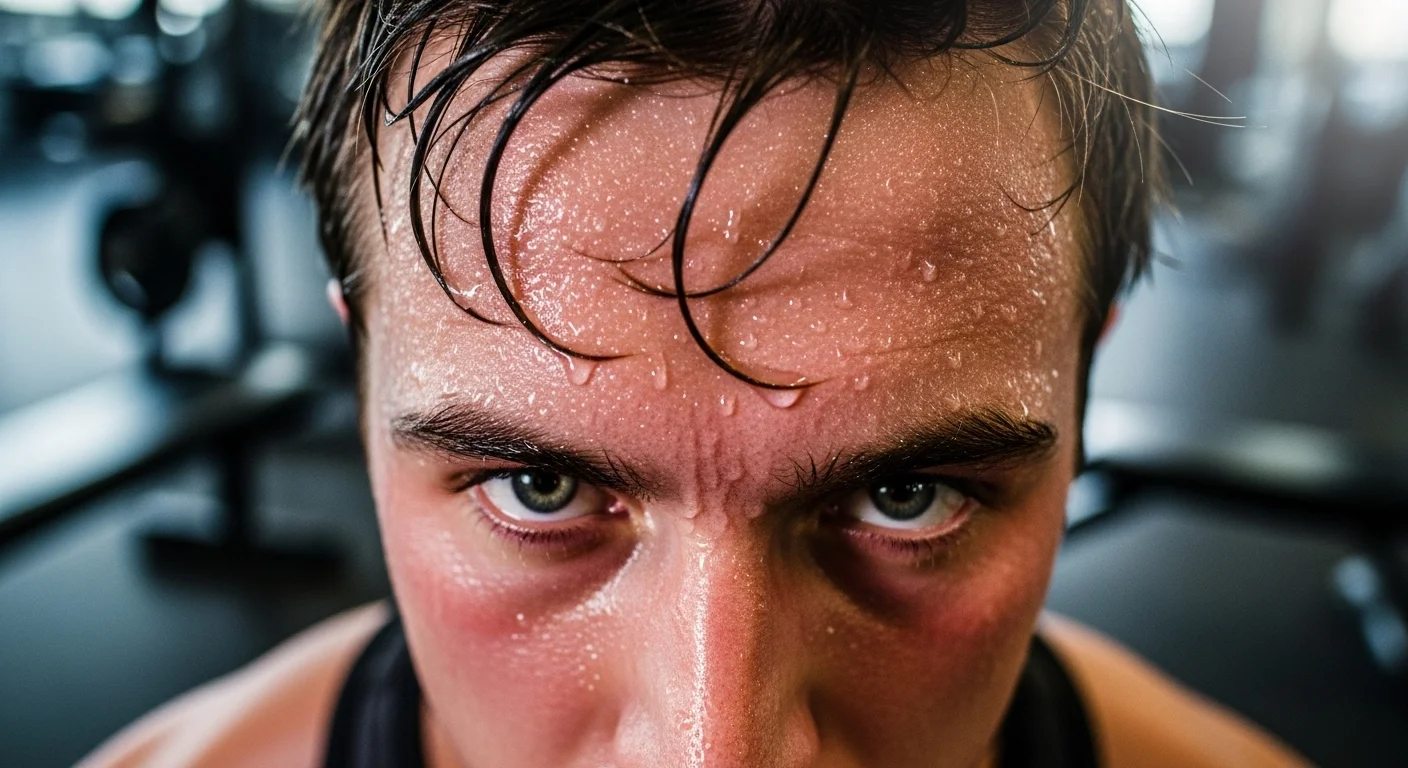
Many humans believe that the greater they sweat, the more weight they lose. You see it at the gym, during intense workouts, or after sitting in a sauna—clothes soaked, scale numbers dropping, and confidence rising. This leads to a common question: does sweating make you lose weight?
It’s an understandable assumption. Sweat feels like hard work, and hard work should equal results, right? But when it comes to sweating and weight loss, the truth is more complex.
In this article, we’ll break down the science behind sweating, explain the difference between fat loss vs water loss, and answer whether sweating during exercise helps with real weight loss. By the end, you’ll know exactly what sweating does—and doesn’t—do for your body.
What Is Sweat and Why Does the Body Produce It?
To understand whether sweating helps you lose weight, we first need to understand what sweat actually is and why your body produces it.
Sweating is not a fat-burning process. It’s a cooling system designed to protect your body when your internal temperature rises.
How Sweating Regulates Body Temperature
A body works tough to keep a stable inner temperature. When you exercise, sit in a hot environment, or feel stressed, your core temperature increases. To prevent overheating, your body releases sweat through your skin.
Here’s how it works:
- Sweat appears on your skin
- It evaporates
- Heat escapes from your body
- Your temperature cools down
This process is known as body temperature regulation, and it has nothing to do with burning fat or calories directly.
That’s why people sweat:
- During exercise
- In hot weather
- In saunas or steam rooms
- When feeling anxious or stressed
The sweat rate varies from person to person and depends on genetics, fitness level, and environment—not weight loss.
What Is Sweat Made Of?
A key misconception is that sweat contains fat. It doesn’t.
Sweat is made up of:
- Mostly water
- Small amounts of sodium and electrolytes
- Trace minerals
There is no fat in sweat. So if you notice weight loss from sweating, it’s not because fat has melted away. It’s because your body has lost water.
This is known as temporary weight loss, and it returns once you rehydrate.
Does Sweating Make You Lose Weight? (Short Answer)

The short and honest answer is: no, sweating does not make you lose weight in a meaningful or lasting way.
Yes, you may see the number on the scale drop after heavy sweating. But this is water weight loss, not fat loss.
Here’s what’s really happening:
- Sweating causes fluid loss
- Fluid loss reduces body weight temporarily
- Drinking water restores that weight
So while it may look like you lose weight by sweating, the change is short-lived and not related to does sweating reduce body fat.
Real weight loss comes from:
- Burning calories
- Creating a calorie deficit
- Losing stored body fat over time
Sweating may happen during these processes, especially during workouts, but it is not the cause of fat loss.
Sweating vs Fat Loss – Understanding the Difference
One of the biggest misunderstandings in fitness is confusing sweat with fat loss. While both can happen during exercise, they are not the same process.
To truly understand sweating and weight loss, you must know the difference between losing water weight and losing body fat.
Water Weight vs Fat Loss
When you sweat, your body loses fluids. This leads to temporary weight loss, often called water weight loss. It can make the scale go down quickly, but it does not change your body composition.
Here’s the key difference:
- Water weight loss
- Happens through sweating
- Is temporary
- Returns after drinking fluids
- Does not change body fat percentage
- Fat loss
- Happens when your body burns stored fat
- Requires calorie burning over time
- Is permanent with consistency
- Improves body composition
So if you’re asking, “does sweating burn fat?”, the answer is no. Sweat itself does not break down fat cells or reduce body fat.
Why the Scale Changes After Sweating
Many people ask, “Do you lose weight by sweating?” because they notice lower scale numbers after workouts or sauna sessions.
This happens because:
- Your body loses water through sweat
- Less water means less total body weight
- The scale reflects this temporary drop
Once you drink water and rehydrate, your weight usually returns to normal. This is why dehydration and weight loss should never be confused with real progress.
True, sustainable weight loss comes from fat loss—not fluid loss.
Does More Sweat Mean a Better Workout?
It’s easy to assume that sweating more means burning more calories, but this is another common fitness myth.
Sweat is not a reliable indicator of workout quality or effectiveness.
Sweating Intensity vs Calorie Burn
You can sweat a lot without burning many calories—and burn many calories without sweating much.
For example:
- You may sweat heavily in hot weather with little movement
- You may burn significant calories lifting weights with minimal sweat
Calorie burning depends on:
- Exercise intensity
- Duration
- Muscle engagement
- Heart rate
Sweating depends on:
- Temperature
- Humidity
- Clothing
- Individual sweat rate
So while sweating during exercise and weight loss often happen together, sweating itself does not cause fat loss or higher calorie burn.
Fit People vs Beginners: Who Sweats More?
Interestingly, fitter people often sweat more efficiently, not less.
As your body adapts to exercise:
- Your sweating response becomes faster
- Your body cools itself more effectively
- You may sweat more—even at the same intensity
This does not mean you’re burning more fat. It simply means your metabolism and sweating systems are well-trained.
So if you’ve ever wondered, “does sweating help burn calories?”, remember:
- Calories are burned by movement and muscle work
- Sweat is just a cooling response
Can You Lose Weight by Sweating Without Exercise?
Many people look for shortcuts and wonder if sweating without exercise can cause weight reduction. Activities like saunas, steam rooms, and sweat suits are often marketed as quick solutions. But do they actually work?
Saunas and Steam Rooms
Saunas make you sweat a lot in a short time. After a session, the scale may show a lower number, which leads many to believe in sauna weight loss.
What’s really happening:
- You lose water through heavy sweating
- This causes temporary weight loss
- No meaningful fat loss occurs
Saunas do not increase calorie burning enough to cause fat loss. Once you rehydrate, the lost weight comes back. So while saunas may help with relaxation or muscle recovery, they are not effective for real weight loss.
Sweat Suits and Hot Environments
Sweat suits and exercising in hot conditions are often used to increase sweating. Some believe this helps them lose weight faster.
However:
- Sweat suits only increase fluid loss
- They do not improve fat burning
- They increase the risk of dehydration
Using sweat suits can actually be dangerous. Dehydration and weight loss should never be confused with healthy fat loss. In extreme cases, overheating and electrolyte imbalance can occur.
In short, can sweating help you lose weight without exercise? No—any weight lost is water, not fat.
How Real Weight Loss Actually Happens
If sweating isn’t the solution, what is? Understanding how weight loss truly works helps clear up confusion around sweating and weight loss.
The Role of Calorie Deficit
Real weight loss happens when your body burns more calories than it consumes. This is known as a calorie deficit.
When this happens:
- Your body turns to stored fat for energy
- Fat cells shrink over time
- Body weight decreases sustainably
Sweating may occur during exercise, but fat loss happens because of calorie burning, not because you’re sweating.
Exercise, Nutrition, and Lifestyle Factors
Effective weight loss is the result of consistent habits, including:
- Regular physical activity
- Balanced nutrition
- Proper sleep and recovery
- Adequate hydration
Exercise and sweating often go hand in hand, but exercise is what increases calorie burn—not sweat. Strength training, cardio, and daily movement all contribute to fat loss, regardless of how much you sweat.
Is Excessive Sweating Safe for Weight Loss?
Trying to force sweating for weight loss can be harmful. It’s important to understand the risks before pushing your body too far.
Dehydration and Electrolyte Imbalance
Excessive sweating can lead to:
- Dehydration
- Loss of electrolytes
- Fatigue and dizziness
- Reduced exercise performance
Hydration and weight loss go together. Drinking enough water supports metabolism, recovery, and overall health.
Signs You’re Overdoing It
Watch out for warning signs such as:
- Lightheadedness
- Muscle cramps
- Headaches
- Nausea
These are signs your body needs fluids—not more sweating.
Expert Tips for Healthy and Sustainable Weight Loss
Instead of focusing on sweat, focus on habits that lead to real results.
Focus on Fat Loss, Not Sweat
Measure progress by:
- Strength gains
- Energy levels
- Body measurements
- Consistency over time
Sweating is not a reliable progress marker.
Stay Hydrated During Workouts
Proper hydration:
- Supports performance
- Prevents dehydration
- Helps regulate body temperature
Ironically, drinking enough water can support better workouts and long-term fat loss—even if it reduces how much you sweat.
Common Myths About Sweating and Weight Loss
Let’s clear up a few final misconceptions.
“The More You Sweat, the More Fat You Burn”
This is false. Sweating extra does not mean burning extra calories. Sweat is a cooling response, not a fat-burning signal.
“Sweat Equals Detox and Weight Loss”
Your liver and kidneys handle detoxification—not sweat. Sweating does not remove fat or toxins in a meaningful way.
Conclusion – So, Does Sweating Make You Lose Weight?
Sweating may make you feel accomplished, but it doesn’t lead to real weight loss. Any weight loss from sweating is temporary and caused by fluid loss—not fat reduction.
True weight loss comes from:
- Consistent calorie burning
- Healthy eating habits
- Long-term lifestyle changes
Sweat can be part of the journey, but it’s not the destination.
FAQS
Sweating itself does not burn calories. Calories are burned through physical activity, not sweat production.
No. Spot size reduction isn’t feasible. Fat loss happens across the entire body through a calorie deficit.
You lose water through sweat, which causes temporary weight loss. The weight returns after rehydration.
No. Saunas and sweat suits only cause water loss, not fat loss.
Focus on regular exercise, balanced nutrition, proper hydration, and consistency over time.
